
— The Daily Office
Leave a reply


Peter is such a great example to me and should be to all of us I readily identify with him. If the Gospels show the humanity of anyone, it is Peter, he really is every man.
Good Friday was yesterday and among the things we remember from Good Friday is Peter’s denial of Jesus. At the Last Supper Peter vehemently promises Jesus he will never deny him. Few hours later, to a woman, Peter is not just denying Jesus, he is doing so with oaths and curses, denying Jesus rather vehemently
But as the Blackabys point out, despite his failings Peter was always seeking after Jesus and I certainly hope that I am at least as passionate in seeking after Jesus as Peter was. “Peter did not always say or do the right things, but he did constantly seek to be with Jesus.” (Henry, Richard Blackaby Experiencing God Day-by-Day p 36). Hey give him credit he may have denied Christ, but other than John, Peter is the only one we know who at least tried to maintain contact with Jesus. All the other disciples had scattered at Gethsemane.
People seem to like to stereotype me, that “well you grew up in the church, that’s the way it’s always been for you, la, la, la…” Well that would be wrong! I did not grow up in the church. Jesus was a vague historical figure and really did not mean anything to me, well yeah Christmas and Easter. I saw that, as many do today, as some sort of rote, ritual thing to do. Then I got whacked over the head. There is so much superficial platitudes going around the secular. People just think they go through the motions, do what they decide is right (which is often very wrong), think that “well I’m a good person”, when they know deep down they aren’t. Or they decide that some superficial good deeds are all that is necessary and everything will work out fine. They never seem to be able to articulate how that will be, they have no basis for what they think or for that matter don’t think, but “hey don’t try to confuse me with the facts.”
Peter was very much like that, “trying” hard, but it just didn’t sink in. He thought it was all about him taking action. Well the fact is it’s all about what God does. On the Day of Pentecost the Holy Spirit filled Peter and he came out like a tiger witnessing to over 5,000 fully aware that it could end him up in jail, flogged, crucified. But all of a sudden, because the Holy Spirit moved him, it was all about Jesus for him and not about what he did, it was all about what the Holy Spirit moved him to do regardless of the circumstances.
So the question is, do people see Jesus in me? Do they look to me to point them, to disciple them in Jesus? For sure I’m certainly not doing it perfectly, but like Peter I keep coming back. The question is raised “what’s the difference between what Peter did and what Judas did?” Judas trusted in his own actions, decided he needed to force the issue and make Jesus come out as the Messiah. It was going to be done that way, Jesus knew it and said so at the Last Supper. But when the issue came to fruition, Judas decided that he would take issues into his own hands, again, and not turn it over to the forgiveness of Jesus and so Judas went and hung himself. Peter on the other hand waited in the faith that the Holy Spirit gave him and stayed faithful. He was one of the first ones at the empty tomb and after Jesus was resurrected stayed with Jesus and was told to “feed my sheep”. Peter was faithful to that and after Jesus ascended to heaven, the Holy Spirit came down and gave Peter the courage to stand and witness to his Savior Jesus. Many were saved because Peter was used by the Holy Spirit to witness to many that Jesus was the Savior, the Hope and Promise of the world, of true life in the resurrection. He was an example to many in his life and continues to be an example to us today.
So I am a very human and fallible man, but I continue to pray that the Holy Spirit uses me as mightily as He did Peter and that I continue to faithfully witness to the only hope of the world, my Savior Jesus. Jesus died for me as the payment of all my sins and rose so that I would have life in the resurrection of my body and the perfect, eternal world of the resurrection.

Hacemos nuestro comienzo en el Nombre de Dios el Padre y en el nombre de Dios el Hijo y en el nombre de Dios el Espíritu Santo, y todos los que gracias y alabar a Dios por la pasión que Jesús sufrió por nosotros y nuestra salvación dijo … ¡¡AMÉN!!
Nuestra serie de sermones de Cuaresma se ha basado en el himno “O Sagrada Cabeza Ahora Herida”, compuesta por uno de los grandes hymnists Lutheran Paul Gerhardt, según la Wikipedia se basa en un poema latino escrito por Arnulfo de Lovaina en algún momento del siglo 12. Si bien sabemos que las heridas físicas que Jesús experimentó, la flagelación, la corona de espinas, arrastrando una cruz de madera en bruto sobre su golpeado de nuevo, ser clavado en la cruz, que se tambaleó en el aire y se deja colgar de esa Cruz. Pero más que eso eran las heridas infligidas en su corazón, las emociones, las heridas que nos cortan profundamente, como la serie dijo que esas heridas que se infligen por aquellos en quienes confiamos, o aquellos que no están satisfechos con heridas físicas, sino simplemente quiere cortar a la derecha en nuestro propio ser, humillar y degradar a nosotros. Jesús sufrió físicamente y seguramente sintió el dolor de lo que lo hicieron sus discípulos, o dejado de hacer la noche antes de ser crucificado.
Hablamos de la herida de la traición. Sí, Jesús sabía que le iba a entregar, no es una sorpresa. Jesús no estaba sentado en la mesa en el Cenáculo pensando “no ver que viene”. Habló sobre el hijo de perdición y cómo ese hombre, uno de los doce, uno de sus seguidores más cercanos lo traicionaría en las manos del mundo, de los pecadores. Citando ese sermón: “Había viajado muchas millas y compartido muchas comidas. Aquí había una herida que pesaba nuestra sagrada cabeza del Señor y le trajo dolor y la pena que agrava el peso del pecado cargó sobre Su cruz “Como se puede ver en nuestra presentación de estar Última Cena, Jesús les dirá a sus discípulos que.; “Uno de vosotros me va a entregar” y cada uno de los discípulos hace la pregunta; “¿Soy yo Señor?” Jesús sabía que iba a venir esta vez, pero no puedo imaginar que disminuye el dolor de corte que tuvo que soportar tener que finalmente suceda a ver a un hombre que estaba tan estrechamente asociado con él, en silencio deslizarse fuera de la mesa y deslizarse fuera de la puerta, tratando de dejar desapercibido por los demás discípulos. No sé cómo Jesús reaccionó, pero tengo que creer que Él fue herido profundamente. Sé que si era yo mi corazón se hundiría en el pecho y no habría un enorme nudo en la garganta.
El siguiente sermón fue titulado “La herida de la apatía”. Él y sus discípulos han terminado la cena de Pascua. Jesús les ha dejado con una de nuestras más grandes regalos, La Cena del Señor. Al día siguiente, Jesús será el sacrificio perfecto, para ellos, para nosotros, para todos los cristianos que saben que recibimos Su verdadero Cuerpo y Sangre en su cena. Él acaba de tomar el pan, “… y habiendo dado gracias, lo partió y se lo dio a ellos, diciendo:” Este es mi Cuerpo, que será entregado por vosotros. Hagan esto en memoria de mí. “Y así mismo la copa después de haber comido, diciendo:” Esta copa es derramada por vosotros es la nueva alianza en mi sangre. “” Justo después de que hace que este nuevo pacto, esta nueva promesa, nos da esta nueva esperanza de que tendríamos el increíble privilegio de tomar su verdadero cuerpo y la verdadera sangre, que nuestra unión con Él sería muy espiritual y muy físico, que el alimento que recibiría de su cuerpo y sangre sería el único alimento que vaya a mantener nuestro cuerpo y el alma, la única nutrición que nos mantiene fuertes de cuerpo y alma, inmediatamente después de que uno de los momentos más profundos en su ministerio, en la historia de todo hombre, se revela que “… la mano de que me entrega está conmigo en la mesa. “sabemos la pasión que sufrió físicamente, pero que en realidad no pensar en la pasión en su corazón, sino que el daño infligido a él justo después de él promete que su cuerpo y sangre sería fortalecer y sostener nuestras almas, su Cuerpo entregado por nosotros sus discípulos. Entonces Judas se colara por la puerta: “. Una disputa Hubo también entre ellos, en cuanto a cuál de ellos debía ser considerado como el mayor” Wow, chicos, estabas escuchando? Está sucediendo AHORA! ¿Es que todo el mundo se ha vuelto un poco demasiado cómodo? Han ignorado todas las advertencias que les ha dado, de que esto iba a pasar y no se cluelessly piar de distancia sobre quién va a ser el más grande? Me puedo imaginar cómo me sentiría. “¿Qué pasa con estos chicos? He acabo estado en el aire mis pulmones hasta aquí? Haga que ninguno de vosotros estado prestando atención? “Sin embargo, ¿cuántas veces lo olvidaremos lo que Jesús nos ha dicho y registrar alegremente en nuestro camino, feliz en nuestro propio pequeño negación?
Él sabe que es sólo cuestión de horas, que se remontan a su santuario en Getsemaní. Hey que ha sido un día de fiesta largo, todos estamos Bushed, lo que es Jesús? Todos los demás chicos son despedidos a nuestro alrededor y Jesús schlepping Pedro, Juan y Santiago de distancia. “Mi alma” Él dice, “es muy triste, hasta la muerte; siendo aquí y velad conmigo “. ¿Es realmente demasiado pedir? “Chicos esto es que, en unas pocas horas voy a estar experimentando agonía inimaginable, se quedan conmigo y orar, apoyar a mí mientras yo oro en estas últimas horas.” Simplemente no se hunde en, Jesús va y reza para que Él no lo hace quieren pasar por la agonía física, emocional y espiritual que Él sabe que viene. Él está tan consumido que Él está sudando gotas de sangre. Pero Él confía en la voluntad de su Padre y se remonta a la espera Sus amigos más cercanos para estar esperando por él a la espera. Pero no lo son, es igual que cualquier otra noche y que ni siquiera parecen tratar de permanecer despierto con él en su momento de agonía.
Ahora bien, es completamente obvio lo que está sucediendo. Jesús ha sido arrastrado por los soldados y oficiales judíos, tomadas al sumo sacerdote para ser juzgado. Todos sus discípulos han dispersado u oculta. Al menos Peter siguió, a una distancia. Él está tratando de no ser notable, pero puedo imaginar a Pedro todavía está tratando de averiguar lo que está pasando, lo que va a pasar. El mismo Pedro quien declaró: “Aunque tenga que morir contigo, no te negaré” (Mateo 26:35) Pedro hace esta declaración de hombres a Jesús, pero cuando realmente cuenta, enfrenta a una niña de servir, una mujer, Pedro no sólo niega el Señor, pero maldice a los que sugieren que conocía a Jesús. Jesús sabía que Pedro lo negó. Fue llevado fuera, acompañó a la derecha más allá Peter y miró a Pedro, no con desprecio, pero con la decepción.
Tal vez en este momento Jesús está tan emocionalmente y físicamente herido que los insultos y burlas de los guardias romanos en realidad no se hunden. Él no ha estado con ellos, pero Él sabe que Judas, Pedro, Juan, Santiago, los que han fracasado y lo abandonó. Pero para conocer completamente bien lo que eres y por qué estás ahí y tener un montón de patanes que ríen en la cara? El mundo aún trata al Señor de esa manera y si lo pensamos bien, hay veces que hacemos también.
La herida final no es algo que, cualquiera de sus seguidores infligimos, sino por las cosas que hicimos, los pecados que hemos cometido, la expiación por todos nuestros pecados, colgando en la cruz, en la oscuridad, con todos los pecados de la humanidad sobre sus hombros, completamente nuestro santo Padre, completamente perfecto tiene que dar la espalda a su Hijo.
Dios no permitirá que nuestro pecado, nuestra feos defectos negro del suelo mismo. El Hijo se ha convertido en el perfecto sacrificio, la propiciación de nuestros pecados y de su cuerpo roto, que ahora lleva todas que el pecado de modo que pueda ser siempre perdonado de aquellos que conocen a Jesús como su Señor, pero el Padre en su perfecto, naturaleza santa no llevará el pecado y tiene que dar la espalda a su Hijo perfecto. El infierno es ese lugar de la separación eterna del Padre. Para aquellos que eligen su propio camino y rechazan a Dios, Dios les permite tener su camino y eternamente los separa de él. Además de los tormentos físicos del Infierno, es el tormento de ser cortado eternamente fuera de nuestra única esperanza y promesa en el Dios uno y trino. Pero Jesús sufre esa separación, por el pecado de toda la humanidad.
Si en este día recordamos cómo Jesús se da la bienvenida a Jerusalén como el Rey, porque Él es el Rey. Rey de toda la creación, Señor del Señor, el que estará a la diestra de Dios Padre. Sin embargo, cinco días más tarde, sin perjuicio de tormento físico y emocional inimaginable, provocada por los pecados de todos los que estamos aquí, toda la humanidad. Nuestra vida eterna se compró para nosotros con él, que por medio de él nos puso de nuevo en relación con el Padre, que cuando pecamos, cuando no somos capaces de vivir nuestra vida en Cristo, el Padre sólo ve a su amado Hijo, nuestro Salvador Jesucristo . Por sus heridas se curan nuestros pecados y tres días después se levantará a la muerte y la derrota para darnos la promesa de la vida verdadera, eterna, en la nueva creación, con Él como nuestro único Señor.
La paz de Dios que sobrepasa todo entendimiento, guardará vuestros corazones y vuestros pensamientos en Cristo Jesús. Amin y Shalom
We make our beginning in the Name of God the Father and in the Name of God the Son and in the Name of God the Holy Spirit, and all those who thank and praise God for the Passion that Jesus suffered for us and our salvation said … AMEN!!
Our sermon series for Lent has been based on the hymn “O Sacred Head Now Wounded”, composed by one of the great Lutheran hymnists Paul Gerhardt, according to Wikipedia is based on a Latin poem written by Arnulf of Leuven sometime around the 12th century. While we know the physical wounds that Jesus experienced, the flogging, the crown of thorns, dragging a rough wooden cross over His beaten back, being nailed into that cross, being lurched up into the air and left to hang from that Cross. But more than that were the wounds that were inflicted on His heart, the emotions, the wounds that cut us deeply, as the series said those wounds that are inflicted by those we trust, or those who aren’t satisfied with just physical wounds but want to cut right into our very being, humiliate and debase us. Jesus suffered physically and surely felt the pain of what His disciples did, or failed to do the night before He was crucified.
We talked about the wound of betrayal. Yes, Jesus knew who would betray Him, it didn’t come as a surprise. Jesus wasn’t sitting at that table in the Upper Room thinking “didn’t see that coming”. He talked about the son of perdition and how that man, one of the twelve, one of His closest followers would betray Him into the hands of the world, of sinners. Quoting that sermon: “He had traveled many miles and shared many meals. Here was a wound that weighed down our Lord’s sacred head and brought Him sorrow and grief that compounded the weight of sin He bore upon His cross.”[1] As you will see in our Living Last Supper presentation, Jesus will tell His disciples that; “One of you will betray Me” and each of the disciples asks the question; “Is it I Lord?” Jesus knew this time was coming, but I can’t imagine that lessened the cutting hurt He endured to have it finally happen and see a man who was so closely associated with Him, quietly slip away from the table and slither out of the door, trying to leave unnoticed by the other disciples. I don’t know how Jesus reacted, but I have to believe He was hurt deeply. I know if it was me my heart would sink in my chest and there would be a huge lump in my throat.
The next sermon was titled “The wound of apathy”. He and His disciples have finished the Passover Dinner. Jesus has left them with one of our greatest gifts, The Lord’s Supper. The next day Jesus will be the perfect sacrifice, for them, for us, for all Christians who know that we receive His true Body and Blood in His Supper. He has just taken the bread, “…and when he had given thanks, he broke it and gave it to them, saying, ‘This is My Body, which is given for you. Do this in remembrance of Me.’ And likewise the cup after they had eaten, saying, ‘This cup that is poured out for you is the new covenant in my blood.’” Right after He makes this new covenant, this new promise, gives us this new hope that we would have the incredible privilege of taking His true Body and His true Blood, that our bond with Him would be very much spiritual and very much physical, that the nourishment we would receive from His Body and Blood would be the only nourishment that would preserve our body and soul, the only nutrition that keeps us strong in body and soul, immediately after one of the most profound moments in His ministry, in the history of all man, He reveals that “…the hand of him who betrays me is with me on the table.” We know the passion that He suffered physically, but we don’t really think of the passion in His heart, but that injury inflicted on Him right after He promises that His Body and Blood would strengthen and sustain our souls, His Body given for us His disciples. Then Judas slinks out the door: “A dispute also arose among them, as to which of them was to be regarded as the greatest.” Wow, guys, were you listening? It’s happening NOW! Is it that everyone has gotten a little too comfortable? They’ve ignored all the warnings He’s given them, that this would happen and there they are cluelessly chirping away about who is going to be the greatest? I can imagine how I would feel. “What is wrong with these guys? Have I just been airing my lungs out here? Have none of you been paying attention?” Yet, how many times do we forget what Jesus has told us and frisk merrily on our way, happy in our own little denial?
He knows it’s only a matter of hours, they go back to their sanctuary at Gethsemane. Hey it’s been a long holiday, we’re all bushed, what’s Jesus do? All the other guys are sacked out all around us and Jesus is schlepping Peter, John and James away. “My soul” He says, “is very sorrowful, even to death; remain here and watch with me.” Is that really too much to ask? “Guys this is it, in a few hours I will be experiencing unimaginable agony, stay with Me and pray, support Me while I pray in these final hours.” Just doesn’t sink in, Jesus goes and prays that He doesn’t want to go through the physical, emotional and spiritual agony that He knows is coming. He is so consumed that He is sweating drops of blood. But He trusts His Father’s will and goes back expecting His closest friends to be up waiting for Him in expectation. But they’re not, it’s just like any other night and they don’t even seem to try to stay awake with Him in His time of agony.
Now it is completely obvious what is happening. Jesus has been hauled away by soldiers and Jewish officials, taken to the high priest to be judged. All of His disciples have scattered or hidden. At least Peter did follow, at a distance. He’s trying not to be noticeable, but I can imagine Peter is still trying to figure out what’s going on, what’s going to happen. The same Peter who declared: “Even if I must die with You, I will not deny You!” (Matt 26:35) Peter makes this manly declaration to Jesus, but when it really counts, confronted by a little serving girl, a woman, Peter not only denies the Lord, but curses at the ones suggesting that he knew Jesus at all. Jesus knew Peter denied Him. He was brought outside, escorted right past Peter and looked at Peter, not with scorn, but with disappointment.
Perhaps at this point Jesus is so emotionally and physically wounded that the taunts and mockery of the Roman guards don’t really sink in. He hasn’t been with them, but He does know Judas, Peter, John, James, the ones who have failed and abandoned Him. But to know fully well who you are and why you’re there and to have a bunch of louts laughing in your face? The world still treats the Lord that way and if we think about it, there are times we do too.
The final wound is not something we, any of His followers inflicted, but because of the things we did, the sins we committed, the atonement for all of our sins, hanging on the cross, in the dark, with all of the sins of humanity on His shoulders, our completely holy, completely perfect Father has to turn His back on His Son.
God will not let our sin, our black ugly failings soil Himself. The Son has now become the perfect sacrifice, the propitiation of all our sins and His broken Body, which now bears all of that sin so that it may be forever forgiven of those who know Jesus as their Lord, but the Father in His perfect, holy nature will not bear that sin and has to turn away from His perfect Son. Hell is that place of eternal separation from the Father. For those who choose their own way and reject God, God allows them to have their way and eternally separates them from Him. In addition to the physical torments of Hell, is the torment of being eternally cut off from our only Hope and Promise in the Triune God. But Jesus suffers that separation, for the sin of all of humanity.
Yes on this day we remember how Jesus is welcomed into Jerusalem as the King, because He is the King. King of all creation, Lord of Lord, He who will be at the right hand of God the Father. But five days later, subject to unimaginable physical and emotional torment, brought on by the sins of all of us here, all of mankind. Our eternal life is bought for us by Him, who through Him put us back into relationship with the Father, who when we sin, when we fail to live our life in Christ, the Father only sees His beloved Son, our Savior Jesus the Christ. By His stripes our sins are healed and three days later He will rise to defeat death and to give us the promise of true, eternal life in the New Creation, with Him as our only Lord.
The peace of God that surpasses all understanding keep your hearts and minds through Christ Jesus. Amin and Shalom
[1] “O Sacred Head Now Wounded” Lent sermon series Concordia Publishing House
How often do you pray to God? Do you consider yourself a prayer warrior? Pause and consider the importance of prayer as you read this poem.
Source: Hymn of the Prayer Warrior
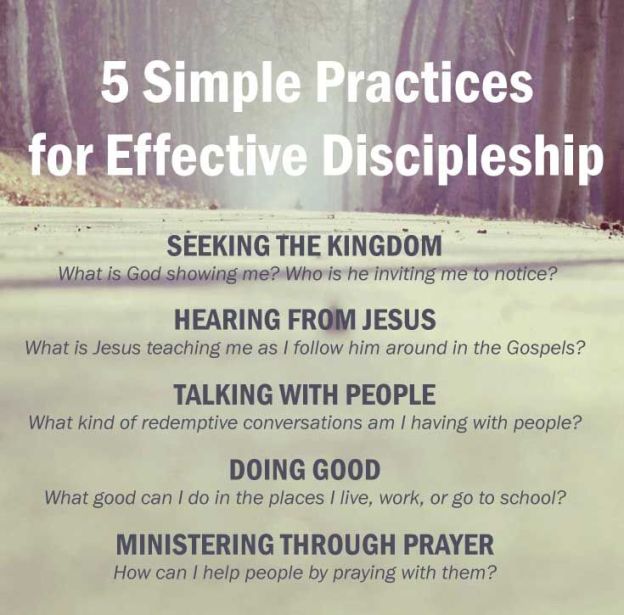
The world tries to shut the church up, by saying something to the effect: “Doesn’t Jesus say “the meek shall inherit the earth”? So that means you should just shut up and mind your own business because that what meek means.” Yea, No! And the last thing on earth we should be doing is listening to the worldly/secular about the Bible. They take a few isolated phrases (oh yeah, judge not blah blah blah…), think they really know what they’re talking about and throw those phrases around. As always, the secular is about an inch thick and a mile wide. Problem is too many in the church, who also don’t know what they’re talking about, who call themselves Christians but don’t read the Bible, don’t truly serve, just cave in to the secular do what they’re told and even have the chutzpah to tell others in the church what they should and shouldn’t do. Liberal Christians dismiss way too much in the Bible, have this sort of half-baked, groundless spirituality and try to sell that as real Christianity. This folks is the height of dishonesty, if you don’t really know what you’re talking about then do everyone, yourself included, and keep your mouth shut. Presuming to teach the church about Christianity is the height of arrogance, is called the sin of presumption.
Now I’m going to quote the Blackabys at length because this is the best explanation I’ve seen of what “meekness” according to Jesus, in the Greek, the original meaning actually is talking about in Matthew.
“The word Jesus used had a different meaning. His picture of meekness is that of a stallion that has been brought into subjection to its master…The stallion has lost none of its strength or endurance; it has simply turned these over to the control of the master.” (Experiencing God day by day Henry Blackaby, Richard Blackaby p 235) Meekness is in terms of submitting to God and His will, not the world’s. We have the power of Christ, yes we are supposed to be winsome, welcoming, encouraging. No the other extreme of the image of the church being “well you better just get everything together right now and be the perfect person, yada, yada!!” Well that’s wrong too, seems there’s always this middle that Jesus wants us in and we either think we’re supposed to be just weak and stupid or we let the world convince us that we’re being bullies by proclaiming Christ. The middle is often too hard for people, yea even Christians. Most people like nice and cozy black and white. My experience in the corporate world, the military, government, school, church, there is no such thing as a black and white. There’s this place where you are supposed to leave yourself open to the Holy Spirit’s guiding and most of the time it’s not some nicey/nice vacuous cream puff. It’s hard to stand up for what’s right, I get it, but like the old saying “if it was easy everyone would do it”. Being a Christian isn’t easy, Jesus told us there is a narrow road, a narrow gate to salvation. Because the Holy Spirit guides us we know what that is and that is what we have to tell the world, even when obnoxious bores are telling us to shut up. They will, because they can’t tolerate the truth, they live in their own little fiction which leads to destruction and they don’t want to know the truth and they don’t want anyone else to either. “Meekness is not submitting to everyone around us, it is taking our direction from God. Meekness means a life submissive to the Holy Spirit…” Read the Bible, when people were standing for God they were not bashful about it. If anything they were very much asserting the truth of God, the truth of Jesus’ sacrifice and resurrection, the truth of the Bible. And yes quite often, be it an Old Testament prophet, Peter, Paul, John they were not bashful and they were very assertive. I’m not saying for anyone to go out of there way to be obnoxious, but again that big gray area. You must know what you’re talking about, be serious about it, get past this gloopy, sweetey Christianity, assert that we are all sinners in need of a Savior, that we do need to understand that and repent of our sin. We need to be baptized, not our decision, but because the Holy Spirit has led us, we need to be instructed in the faith so that we can function as knowledgeable Christians, we need to regularly attend worship and grow in our fellowship and Christian maturity, we need to regularly receive the true Body and Blood of Jesus and we need to be open to the leading of the Spirit to witness to those around us about Jesus.
It basically means to be mature, strong, knowledgeable baptized sons and daughters of God, we call that being a “disciple” of Jesus. Just as anyone else in the Bible is. To be any less is to cave into the world, and to be faithless to God, Father, Son and Holy Spirit. Christ saved us, He is the ultimate truth, the world is a lie, especially when it presumes to teach us something that it doesn’t even understand. This idea that a Christian is supposed to be a malleable cupcake for the world to push around is just not Biblical and it certainly is not going to serve anyone.

[for the audio please click on the above icon]
Hacemos nuestro comienzo en el Nombre de Dios el Padre y en el nombre de Dios el Hijo y en el nombre de Dios el Espíritu Santo, y todos aquellos que saben que Dios es su fuerza y su canción, dijimos … AMEN!
¿Cuántas veces ha tirado justo en la cara de Dios, al igual que el hijo pródigo? Eso era exactamente lo que estaba haciendo para el “padre”. Incluso ahora, en el Oriente Medio para hacer lo que hizo, dijo su padre a entregar su parte de la herencia, sigue siendo un grave insulto. diciendo básicamente gota anciano muerto y me entregar toda su materia. Muy por encima. Realmente extrañamos que en la cultura occidental, este chico estaba totalmente fuera de línea. Desde luego estamos todos los pecadores, pero lo que hizo este chico era tan sobre la parte superior, a la fluencia. Sin embargo, todos somos como él. Básicamente hemos dicho Dios desaparece, que no te necesitan, mano sobre lo que es “nuestro”, como si tuviéramos todo lo que es “nuestra”. Tampoco lo hizo el hijo pródigo, ¿verdad? Su padre seguía vivo, el hijo no tenía derecho a una cosa, y sin embargo …
Y sin embargo, Dios es nuestra fuerza, cuando hacemos algo débil y desagradable como el hijo pródigo, no nos castigamos, obtenemos la gracia. Tenga en cuenta, hay consecuencias, puede que no sea Dios nos castiga, pero nuestro comportamiento pecaminoso siempre incurre consecuencias. Si voy a alguien aquí, armarse de valor y pegarse bien de la cabeza, lo que va a pasar? Vas a llamar a la policía. Dios no puede castigarme para la batería, pero será porque se presentó una denuncia a la policía después de que la persona con cinturón. Pero en arrepentimiento todavía estoy perdonado por el Padre.
Como cristianos, sin embargo, que puede ser tan desagradable como este pródigo es, pero es en la fuerza de Dios que somos salvos, somos perdonados, no sólo estamos perdonados, pero todavía estamos, en Jesús, herederos de la vida eterna, hay será probablemente consecuencias, pero en última instancia todavía nos salva. En la fortaleza de Dios, nos hace sus hijos en Jesús, Él nos da el perdón en Jesús, Él nos da la vida eterna en Jesús. Algunos ven que como debilidad. “Vi lo que hizo y él debe ser quitado y castigado! No puede haber ninguna recompensa por él! ¿No sabes lo que hizo? Él merece ser castigado, y cuanto antes mejor! ”
Es que lo que pasó con el hijo pródigo? Después de que él puso su padre a través de todo lo que hizo? lo insultó, tomó su dinero, se fue a un país extranjero y gastado hasta el último centavo? Él debe haber causado su padre la ansiedad y el dolor inimaginable, ¿cuántas noches sin dormir piensa usted que el padre había preocuparse por lo que le pasó a su hijo? ¿Cuántos padres ¿cree que podría haber dicho: ‘Eh, lo que sea, no puede creer lo que hizo ese chico, tal vez si se golpeó en torno a un pequeño que podría aprender algo y si sucede otra cosa, bueno “Pero nuestro Padre. el cielo no hace eso. En lo que es una cantidad enorme, inimaginable de fuerza, Dios permanece tanto por nuestros insultos brutos, nuestra burla descarada de su gracia, su bondad, Sus muchos / innumerables regalos. Lo que hizo el padre cuando el hijo llegó a casa? Él podría haber tomado la parte de atrás de él, golpeado el alquitrán de él, y nadie hubiera dicho abucheo al respecto. Muchos hubieran esperado.
¡Pero no! El padre dirige descaradamente a cabo al hijo, lo besa, exige una nueva túnica fina, un nuevo anillo, y !!! El ternero cebado, la comida más deliciosa que sabían! En base a la descripción que Jesús nos da, el padre era un hombre muy importante y rica en la comunidad. Los hombres en general no se quede sin saludar a nadie. Tendrían que recoger sus ropas para arriba en su haber, lo que dejaría a sus piernas al descubierto, a menos que hubiera una emergencia, los hombres de tal importancia no se ha ejecutado. Me recuerda a la línea de un Simpson: “Ustedes estaban corriendo? A menos que hubiera leones que te persiguen por la carretera, que no se quede. “Hubiera sido lo mismo para el padre en esta historia. Sin embargo, allí estaba él, de una manera más indigna, corriendo a este joven contemptable, infiel, que él mismo admite que no es digno de ser llamado su hijo.
Esto tenía que ser embarazoso para el padre, no tengo ninguna duda al día siguiente en la puerta de la ciudad algunos de sus compañeros, al menos, le dio un poco de nervadura, aún con burla francamente, “lo que era pequeña demostración de ayer? Somos los líderes de esta ciudad, vamos a comportarnos con un poco de dignidad “.
Eso es algo que recibimos demasiado atrapados en nosotros mismos, ¿verdad? Nuestra etiqueta, comportamiento adecuado. Eso es algo que Dios no quede demasiado atrapado en, nuestra dignidad. Muchas veces, como en esta historia, no se sale demasiado atrapado en su propia, especialmente si esto significa la diferencia entre nosotros guardar o dejar que nos condenamos a nosotros mismos. Isaías fue llamado a algunos actos indignos, David Peters parafrasea Isaías 20: 1-3; “En el año que Asiria tomó la fortaleza filistea de Ashdad, el Señor le dijo a Isaías:” Quiero que se quite la ropa y caminar desnudo y descalzo. “Isaías hizo lo que el Señor ordenó y dio la vuelta desnudo y descalzo por tres años . “Peters señala que Dios pide a su pueblo a sufrir penurias y la vergüenza, porque Dios en su dignidad reduce a nosotros con el fin de sacarnos de la desesperanza y la desesperación que estamos perdidos en, en nuestro pecado. Él no tiene que meter a Sus ropas en su haber y salir corriendo para llevarnos y nos vestir y darnos la riqueza y la comida como lo hizo con el hijo pródigo, pero lo hace no sólo para salvarnos, sino para cumplir su promesa de que tendríamos una nueva vida. Pablo nos dice; “… Si alguno está en Cristo, es una nueva creación. El viejo ha pasado; he aquí todas son hechas nuevas. “A través de Jesús y sólo a través de Jesús así se logra que la nueva creación y luego nos hace” embajadores de Cristo, como si Dios exhortara por medio de nosotros. “A través de Jesús, a causa de la indignidad que sufrió en la Cruz , se nos pone en relación con Dios. Ya no estamos a ese viejo, que perdió, el pecado lleno, sin esperanza de ser patética deambulando, obsesionado con las cosas que creemos que son importantes, nuestra dignidad, nuestra opinión, nuestra propia importancia, nuestro amor obsesivo de sí mismo. ¡No! En su lugar, una nueva creación. Dios Padre ha puesto a un lado su dignidad que correr a nosotros para salvarnos, para llegar a bajar de su trono infinitamente alta con el fin de salvar a su perdida creación desafiante, rebelde. No sólo nos salvó, sino que nos hace Su nueva creación y Él nos adorna con ropa nueva. Recuerde, una nueva túnica era algo extravagante en ese momento. La ropa era muy caro, el material era caro y cada traje fue hecho a mano, un nuevo anillo de oro era extravagante caro, el becerro gordo era un manjar costoso, preciosa en un mundo donde lo suficiente para comer todos los días era un desafío. El padre lleva a su nueva creación, lo que nos convierte en Jesús, nos da la esperanza y la promesa, le quita la indignidad de nuestro pecado y nos adorna con el epítome de lo que se podía esperar. Entonces, ¿cómo podríamos nosotros no sabemos en nuestro corazón que Dios es nuestra fuerza y nuestro escudo, aun cuando podría ser muy justamente enojado con nosotros? Y debido a eso, no podemos dejar de cantar, dar gracias y exaltar su nombre debido a lo que Él ha hecho por nosotros al darnos Su sacrificio final, que nos da a su Hijo perfecto, completamente santo y sin pecado para morir como el único sacrificio suficiente para los pecados de todo el mundo. Si eso no hace que quiera cantar y gritar, entonces no tienes aprecio por que el padre que corre a recibir a su hijo perdido y es tan eufórico, que su niño se perdió y ahora su precioso hijo, usted y yo estamos con él de nuevo en el mundo eterno de la resurrección que su Hijo Jesús nos dio mediante la superación de la muerte en su resurrección.
Jurgen Moltman escribe: “En él la desesperación que nos oprime queda libre a la esperanza. La arrogancia con la que poner ningún obstáculo a nosotros mismos y otras personas se derrite, y nos volvemos tan abierto y tan vulnerable como estaba.
Lo que inicialmente parecía tan insignificante y tan irreconciliables – nuestra esperanza y la cruz de Cristo – pertenecen juntos como un todo único, tal como lo hacen con la esperanza apasionada por la vida y la buena disposición para la decepción, el dolor y la muerte.
Por debajo de la cruz de Cristo, la esperanza nace de nuevo de las profundidades. La persona que una vez que se ha detectado esto nunca tiene miedo de cualquier profundidades de nuevo. Su esperanza se ha convertido en firme e invencible: “Señor, no soy un prisionero – prisionero de la esperanza!” ”
La paz de Dios que sobrepasa todo entendimiento, guardará vuestros corazones y vuestros pensamientos en Cristo Jesús. Amin y Shalom
We make our beginning in the Name of God the Father and in the Name of God the Son and in the Name of God the Holy Spirit and all those who know that God is their strength and their song, said … AMEN!
How many times have you just thrown it in God’s face, just like the Prodigal Son? That was exactly what he was doing to the “Father”. Even now in the Middle East to do what he did, tell his father to hand over his share of the inheritance, is still a gross insult. Basically saying drop dead old man and hand me over all your stuff. Way over the top. We really miss that in western culture, this kid was totally out of line. We are certainly all sinners, but what this kid did was just so over the top, just a creep. Yet we are all like him. We’ve basically told God go away, we don’t need You, hand over what is “ours”, as if we have anything that is “ours”. Neither did the prodigal son, right? His father was still alive, the son wasn’t entitled to a thing, and yet …
And yet God is our strength, when we do something weak and nasty like the prodigal, we don’t get punished, we get grace. Bear in mind, there are consequences, it may not be God punishing us, but our sinful behavior always incurs consequences. If I go to someone right here, haul off and slug you right in the head, what’s going to happen? You’re going to call the police. God may not be punishing me for battery, but the police will because a complaint was filed after I belted the person. But in repentance I am still forgiven by the Father.
As Christians, though, we can be as obnoxious as this prodigal is, but it is in God’s strength that we are saved, we are forgiven, we are not only forgiven, but we are still, in Jesus, inheritors of eternal life, there will probably be consequences, but ultimately He still saves us. In God’s strength, He makes us His children in Jesus, He gives us forgiveness in Jesus, He gives us eternal life in Jesus. Some see that as weakness. “I saw what he did and he should be taken away and punished! There can’t be any reward for him! Don’t you know what he did? He deserves to be punished, the sooner the better!”
Is that what happened to the prodigal? After he put his father through all that he did? Insulted him, took his money, went off to a foreign land and spent every last dime? He must have caused his father unimaginable anxiety and pain, how many sleepless nights do you think that father had worrying about what happened to his son? How many fathers do you think might have said: ‘Eh, whatever, can’t believe what that kid did, maybe if he gets whacked around a little he might learn something and if something else happens, oh well.” But our Father in heaven doesn’t do that. In what is an enormous, unimaginable amount of strength, God endures so much because of our gross insults, our shameless flouting of His grace, His kindness, His many/countless gifts. What did the father do when the son came home? He could have taken him out back, beaten the tar out of him and no one would have said boo about it. Many would have expected it.
But no! The father shamelessly runs out to the son, kisses him, calls for a fine new robe, a new ring, and!!! The fatted calf, the most delectable meal they knew! Based on the description Jesus gives us, the Father was a very important and wealthy man in the community. Men in general do not run out to greet anyone. They would have to gather their robes up into their belt, which would leave their legs exposed, unless there was an emergency, men of such importance did not run. Reminds me of a Simpson’s line: “You were running? Unless there were lions chasing you down the road, you don’t run.” It would have been the same for the father in this story. Yet there he was, in a most undignified manner, running out to this contemptable, unfaithful young man, who himself admits he is not worthy to be called his son.
This had to be embarrassing for the father, I have no doubt the next day at the city gate some of his peers, at least, gave him a little ribbing, even downright derision, “what was that little demonstration yesterday? We are the leaders of this city, let’s conduct ourselves with a little dignity”.
That’s something we get way too caught up in ourselves, isn’t it? Our etiquette, proper demeanor. That’s something God doesn’t get too caught up in, our dignity. A lot of times, as in this story, He doesn’t get too caught up in His own, especially if it means the difference between saving us or letting us condemn ourselves. Isaiah was called to some undignified acts, David Peters paraphrases Isaiah 20: 1-3; “In the year that Assyria captured the Philistine stronghold of Ashdad, the Lord told Isaiah, ‘I want you to take off your clothes and walk around naked and barefoot.’ Isaiah did as the Lord commanded and walked around naked and barefoot for three years.”[1] Peters points out that God asks His people to suffer hardship and embarrassment because God in His dignity lowers Himself to us in order to pull us out of the hopelessness and despair we are lost in, in our sin. He doesn’t have to tuck up His robes under His belt and run out to take us in and clothe us and give us wealth and food as He did with the prodigal son, but He does it not just to save us, but to fulfill His promise that we would have new life. Paul tells us; “…if anyone is in Christ, he is a new creation. The old has passed away; behold, the new has come.” Through Jesus and only through Jesus do we become that new creation and then makes us “ambassadors for Christ, God making His appeal through us.” Through Jesus, because of the indignity that He suffered on the Cross, we are put in relationship with God. We are no longer that old man, that lost, sin filled, pathetic hopeless being wandering around, obsessed with the things we think are important, our dignity, our opinion, our self-importance, our obsessive love of self. No! Instead we are a new creation. God the Father has put aside His dignity to run out to us to save us, to reach down from His infinitely high throne in order to save His lost, rebellious defiant creation. Not only does He save us, but He makes us His new creation and He adorns us with new clothes. Remember, a new robe was an extravagant thing in that time. Clothing was very expensive, the material was expensive and each robe was made by hand, a new gold ring was extravagantly expensive, the fatted calf was a costly, precious delicacy in a world where getting enough to eat everyday was a challenge. The Father takes His new creation, what He makes us in Jesus, gives us hope and promise, takes away the indignity of our sin and adorns us to the epitome of what we could expect. How then could we not know in our heart that God is our strength and our shield, even when he could be very righteously angry with us? And because of that, how can we not sing, give thanks and exalt His name because of what He has done for us by giving us His ultimate sacrifice, giving us His perfect, completely holy and sinless Son to die as the only sufficient sacrifice for the sins of the entire world. If that doesn’t make you want to sing and shout, then you have no appreciation for that Father who runs out to meet His lost child and is so elated, that His child was lost and now His precious child, you and I are with Him again in the eternal world of the resurrection that His Son Jesus gave us by overcoming death in His resurrection.
Jurgen Moltman writes: “In him the despair that oppresses us becomes free to hope. The arrogance with which we hinder ourselves and other people melts away, and we become as open and as vulnerable as he was.
What initially seemed so meaningless and so irreconcilable – our hope and Christ’s cross – belong together as a single whole, just as do the passionate hope for life and the readiness for disappointment, pain and death.
Beneath the cross of Christ hope is born again out of the depths. The person who has once sensed this is never afraid of any depths again. His hope has become firm and unconquerable: “Lord, I am a prisoner – a prisoner of hope!””[2]
The peace of God that surpasses all understanding keep your hearts and minds through Christ Jesus. Amin and Shalom
[1] David Peters “The Many Faces of Biblical Humor:“ page 200 Location 4873 Kindle version
[2] Jürgen Moltmann, “Prisoner of Hope,” from The Power of the Powerless, English transl. Copyright © 1983 by SCM Press Ltd., reprinted by permission of HarperCollins Publishers Inc.
[for the audio click on the above link]
Hacemos nuestro comienzo en el Nombre de Dios el Padre y en el nombre de Dios el Hijo y en el nombre de Dios el Espíritu Santo, y todos aquellos que viven y se vuelven de sus malos caminos dijimos … AMEN
Estamos en el tiempo de Cuaresma, debemos reflexionar sobre lo que nuestra vida está a punto durante todo el año y, desde luego arrepentirse en esos momentos cuando hemos pecado y fallado a Dios. La reflexión, el arrepentimiento, son el foco principal de la Cuaresma. Las lecturas de hoy hacen hincapié en que. La mayor parte de la Biblia es muy sencillo, muy real en el día a día la vida de las personas que en él se describen. Muchas personas, como la mística, el misterio de muchas otras creencias, sólo por esa razón y despedir el cristianismo como ser un poco demasiado prosaica y no lo suficientemente misterioso. No estoy de acuerdo, el carácter real de la Biblia, de principio a fin, que sea totalmente fácil identificarse, en el mundo real, que describe la oscuridad y el pecado de un mundo caído, y que describe de manera muy arenoso, terroso muchos de los personajes de la Biblia. Hubo poca mística de David, Elías, Pedro, eran hombres muy varoniles-terrosa y básico, a Jesús. La Biblia no se trata de ser mística, misterio que todos los que tratan de hacer que fuera a ser, pero en algunos aspectos es. Hay misterios de peso en la teología cristiana: la Trinidad, la expiación de Jesús, el nacimiento virginal de Jesús, la resurrección. Hay misterios que nunca puedan entender, pero eso no disminuye la realidad muy sencillas de quién es Jesús, ¿cómo nos salvamos, lo que hace el Padre en nuestra vida cotidiana como somos guiados por el Espíritu Santo. Hay partes místicas a la Biblia. Daniel puede ser, sin duda es la Revelación, partes de Isaías. Kenneth Stevenson y Michael Glerup escriben: “Ezequiel también deja su huella en el Nuevo Testamento. La imagen de Jesús como el pastor (Mateo 18: 12-14; Juan 10: 11-18) encuentra su inspiración en la profecía acerca de los pastores y las ovejas (Ezequiel 1: 5-10). Revelación lleva varios importantes vestigios de la influencia de Ezequiel:. La visión del carro desde el cielo con los cuatro seres vivientes (Ez 40-48; Ap 21-22) … y cada libro termina con una visión del nuevo templo “En nuestra Ezequiel lectura de hoy es bastante sencillo, y de acuerdo con Stevenson y Glerup; “… Su enseñanza sobre el juicio parece a veces más dura que el mensaje de Isaías y Jeremías.”
A través de Ezequiel, Jehová es bastante duro con Israel y Él puede estar diciendo esencialmente lo mismo que la cultura actual. David Peters escribe: “Usted no es mejor que los cananeos. Su padre era un amorreo y tu madre era una hitita [me recuerda a la línea de Monty Python, su padre era un hámster y su madre olía a saúco -El mío] Eras un bebé tan feo que le dejaron fuera a morir. “(Ez 3 : 7-9) Peters continúa escribiendo: “Este es hablar bastante peligroso procedente del Señor. Dios les compara con las personas a las que tuvieron el menor respeto – los samaritanos y la Sodomas. Este sarcasmo atrajo la atención de la gente y se quejó de que Dios estaba siendo injusto con ellos. Dios respondió: “Usted dice:” El Señor está siendo injusto en su evaluación de nosotros ?! ‘Escúchame! Ustedes son los injustos no yo ‘ “(Ez 18:25) En un concurso de quién es justo, Dios siempre va a ganar.”
La parte más conmovedora de las lecciones para mí es cuando Ezequiel se levanta el pie del acelerador en el medio de la lectura para recordar a su audiencia: “Vivo yo, dice el Señor Jehová, que no quiero la muerte del impío, pero que el malvado se convierta de su conducta y viva, dar la vuelta de sus malos caminos, por qué moriréis, oh casa de Israel? “(Ez 33:11) ¿Quién es la” casa de Israel “que Dios está hablando con ? … Sí, nosotros, somos Israel. Jesús es Israel, estamos en Jesús, incluso 500 años antes de Jesús, Dios, por medio de Ezequiel, está hablando con nosotros y casi suplicante con nosotros. No quiero ver a las personas mueren en sus pecados, no quiero ver a las personas perdidas en el infierno por toda la eternidad, que es horrible, quiero que me temes lo suficiente, para saber quién soy, lo que he hecho por usted y para que deje de resistir y encontrar paz y descanso en mi gracia. Dios es a menudo prácticamente rogando con nosotros, detenerlo, a superar esta ridícula, rebelde, actitud que sólo conduce a la muerte! Debemos estar en un estado de reflexión, el arrepentimiento y la oración durante todo el año, pero se nos ha dado este tiempo de Cuaresma para reflejar específicamente en la realidad del estado de nuestra naturaleza pecaminosa. No como una manera de vencer a abajo, sino como una manera de vivir de verdad “Yo soy el camino la verdad y la vida …” nos dice Jesús. Su manera, la vida y la vida más abundante en la resurrección. forma en que el mundo es el pecado y la muerte. Podemos pensar que Ezequiel está siendo demasiado duro, pero Dios, por medio de Ezequiel, está tratando desesperadamente de alejarnos de nuestra naturaleza rebelde y pecaminoso y encontrar la verdadera vida, la esperanza, la promesa y la vida eterna de la perfección en él. ¿Hay alguna duda de que cuando alguien se arrepiente, se tapa los caminos rebeldes que el padre se alegre? Lucas escribe: “ESV Lucas 15: 7. Sólo así, os digo que habrá más alegría en el cielo por un solo pecador que se convierta que por noventa y nueve justos que no necesitan de arrepentimiento” Debido a que no podemos tener a nuestra manera , actuamos como si Dios es el enemigo. Vivimos en una cultura “Gotcha”. No se trata de lo que haces, las grandes maneras que usted sirve, las cosas que lograr. Hay gente por ahí que realmente piensan que están sirviendo al esperar en las malas hierbas con el fin de “Gotcha” en las cuestiones más triviales y mostrar lo que una persona verdaderamente horribles que son. El mundo trata de proyectar ese modo de pensar a Dios. Nada puede estar más lejos de la verdad. El “Gotcha” Dios quiere es la época en que se da cuenta de su pecado, arrepentirse y afligidos de cenizas sobre el pecado y darse cuenta de todo lo que ha hecho para salvar a usted y le dará la vida eterna. ¿Hay alguna duda en su mente que el Padre, en su trono, será sonriendo cuando te das cuenta de lo que se ha hecho por ti? Seguro Él sabe que Él ha salvado, pero en medio de la alegría del cielo, no habrá sonrisa de satisfacción del Padre, que Su plan en esa persona ha llegado a pasar? En la parábola de los talentos, Jesús nos dice cómo nuestro Maestro, Dios, (Lucas 25: 21, 23) “Entra en el gozo de tu señor.” El mundo trata de convencernos de que es un “nosotros contra él”.
De la misma manera, Él no está jugando. Usted quiere tomar el camino ancho en la puerta ancha, hazlo a tu manera? No se puede esperar que Dios esté satisfecho con su comportamiento destructivo. Él quiere salvarte, Jesús vino con el fin de ser la salvación del mundo. El Dios sabe que la mayor parte del mundo se enfrenta a la destrucción, la muerte, la eterna ira de Dios, y por qué no debería ellos los que han rechazado a Dios? Dios no se complace por la muerte del malvado, sino que hizo su elección y rechazó a Dios. Ezequiel escribe: “Una vez más, aunque yo diga al impío:” ciertamente morirás ‘, sin embargo, si se aparta de su pecado y hace lo que es justo y recto, … de cierto vivirá; no morirá “(Ez 33: 14, 15).. A través del Espíritu Santo, que el Padre ha hecho el camino a la salvación bastante obvio y no hacernos pasar por el aro de estar en él, así como todas las demás creencias hacen. Él nos da la gracia pura, sin reservas en su Hijo Jesús. Jesús hizo el trabajo duro y el trabajo pesado. Jesús murió en la cruz del sacrificio perfecto por los pecados de todo el mundo. Dios hizo el camino de la salvación bastante obvio en la vida de su Hijo, la muerte y la resurrección. No hay nada que podamos hacer para ganarlo, para justificarlo, para merecerlo, se nos da para tener vida y vida más abundante.
En nuestra lectura del Evangelio personas se preguntan a Jesús si las personas que murieron a causa de un accidente o de Pilato alguna manera merecen este tipo de muertes violentas porque eran malas personas. Las personas que piden eran de alguna manera “buena” y las que murió recibió lo que merecía. Jesús respondió: “No, os digo; a menos que se arrepientan, todos pereceréis igualmente. “No es que una torre caerá sobre todos ellos, pero Jesús estaba diciendo, sigue haciendo lo que estás haciendo y todo lo que morirán en sus pecados, usted será condenado a la eterna fuego donde hay llanto y rechinar de dientes. No tenemos un “Gotcha” Dios que está a la espera de condenarnos. Juan 3:16 Porque de tal manera amó al mundo que nos dio a su Hijo para darnos una manera segura y cierta a la salvación, la vida eterna, perfecta en la resurrección. La confianza en Aquel que hace tanto por nosotros, volverá y se arrepentirá y saber que en Él, en su iglesia, en nuestro bautismo en él y en la Cena del Señor cuando comemos su cuerpo y sangre, en la vida y la muerte sacrificial de Jesús, Él que ha salvado a la vida eterna en la resurrección. Él quiere lo mejor para ti y espera para darle a usted. No hay alegría en la muerte del pecador, hay alegría en el hombre y la mujer que se arrepiente y recibe el don gratuito de la gracia en Jesús.
La paz de Dios que sobrepasa todo entendimiento, guardará vuestros corazones y vuestros pensamientos en Cristo Jesús. Amin y Shalom
[for the audio please click on the above link]
We make our beginning in the Name of God the Father and in the Name of God the Son and in the Name of God the Holy Spirit and all those who live and turn from their evil ways said … AMEN
We are in the season of Lent, we should reflect on what our life is about all year long and certainly repent at those times when we have sinned and failed God. Reflection, repentance, are the primary focus of Lent. Today’s readings emphasize that. Most of the Bible is very straightforward, very real in the day to day lives of the people it describes. Many people like the mysticism, the mystery of many other beliefs, just for that reason and dismiss Christianity as being a little too prosaic and not mysterious enough. I disagree, the realness of the Bible, from beginning to end, make it totally relatable, real world, it describes the darkness and sinfulness of a fallen world, and it describes in very gritty, earthy ways many of the people in the Bible. There was little mystical about David, Elijah, Peter, they were very manly-earthy-gritty men, even Jesus. The Bible is not about being mystical, mystery, that so many try to make it out to be, but in some respects it is. There are compelling mysteries in Christian theology: The Trinity, the atonement of Jesus, the virgin birth of Jesus, the resurrection. There are mysteries that we may never understand, but that does not diminish the very straightforward realities of who Jesus is, how we are saved, what the Father does in our lives everyday as we are guided by the Holy Spirit. There are mystical parts to the Bible. Daniel can be, Revelation certainly is, parts of Isaiah. Kenneth Stevenson and Michael Glerup write: “Ezekiel also leaves its mark on the New Testament. The image of Jesus as the Shepherd (Matthew 18: 12-14; John 10: 11-18) finds its inspiration in the prophecy about the shepherds and the sheep (Ezekiel 1: 5-10). Revelation bears several significant traces of the influence of Ezekiel: the vision of the chariot from heaven with the four living creatures (Ezek 40-48; Rev 21-22) … and each book ends with a vision of the new temple.”[1] In our reading today Ezekiel is pretty straight forward, and according to Stevenson and Glerup; “…his teaching about judgment seems at times harsher than the message of Isaiah and Jeremiah.”[2]
Through Ezekiel, Yahweh is pretty tough on Israel and He could be saying essentially the same thing to today’s culture. David Peters writes: “You are no better than the Canaanites. Your father was an Amorite and your mother was a Hittite [reminds me of the Monty Python line Your father was a hamster and your mother smelt of elderberry –mine] You were such an ugly baby they left you out to die.” (Ez 3: 7-9) Peters goes on to write: “This is pretty rough talk coming from the Lord. God compared them to the people for whom they had the least respect – the Samaritans and the Sodoms. This sarcasm attracted the people’s attention and they protested that God was being unfair to them. God replied, “You say, ‘The Lord is being unfair in his assessment of us?!’ Listen to me! You are the ones being unfair not I.’” (Ez 18:25) In a contest as to who is fair, God will always win.”[3]
The most poignant part of the lessons for me is when Ezekiel takes his foot off the gas in the middle of the reading to remind his audience: “As I live, declares the Lord GOD, I have no pleasure in the death of the wicked, but that the wicked should turn from his way and live, turn back from your evil ways, for why will you die, O house of Israel?” (Ez 33:11) Who is the “house of Israel” that God is talking to? … Yes, us, we are Israel. Jesus is Israel, we are in Jesus, even 500 years before Jesus, God, through Ezekiel, is talking to us and almost pleading with us. I don’t want to see people die in their sins, I don’t want to see people lost in Hell for eternity, that is horrible, I want you to fear me enough, to know who I am, what I have done for you and for you to stop resisting and find peace and rest in My grace. God is often practically pleading with us, stop it, get over this ridiculous, rebellious, attitude that only leads to death! We should be in a state of reflection, repentance and prayer all year long, but we have been given this time of Lent to specifically reflect on the reality of the state of our sinful nature. Not as a way to beat you down, but as a way for you to truly live “I am the way the truth and the life…” Jesus tells us. His way, life and life more abundant in the resurrection. The world’s way is sin and death. We may think Ezekiel is being overly harsh, but God, through Ezekiel, is desperately trying to steer us away from our rebellious and sinful nature and find true life, hope, promise and eternal life of perfection in Him. Is there any doubt that when someone repents, stops his rebellious ways that the Father will be joyful? Luke writes: “ESV Luke 15:7 Just so, I tell you, there will be more joy in heaven over one sinner who repents than over ninety-nine righteous persons who need no repentance.” Because we can’t have it our way, we act as if God is the enemy. We live in a “gotcha” culture. It’s not about what you do, the great ways you serve, the things you accomplish. There are people out there who genuinely think they are serving by waiting in the weeds in order to “gotcha” on the most trivial issues and show what a truly horrible person you are. The world tries to project that mind-set on to God. Nothing can be further from the truth. The “gotcha” God wants is the times when you realize your sin, repent and mourn in ashes over your sin and realize all that He has done to save you and give you eternal life. Is there any doubt in your mind that the Father, on His throne, will be smiling when you realize what has been done for you? Sure He knows who He has saved, but in the middle of the joy of heaven, there will be the Father’s smile of satisfaction, that His plan in that person has come to pass? In the parable of the talents Jesus tells us how our Master, God, “Enter into the joy of your master.” (Luke 25: 21, 23) The world tries to convince us it’s an “us against Him”.
By the same token, He isn’t playing. You want to take the wide road into the wide gate, do it your way? You can’t expect God to be pleased with your destructive behavior. He wants to save you, Jesus came in order to be the salvation of the world. The Godhead knows that most of the world faces destruction, death, the eternal wrath of God, and why shouldn’t they who have rejected God? God takes no pleasure over the death of the wicked, but they made their choice and rejected God. Ezekiel writes: “Again, though I say to the wicked, ‘You shall surely die’, yet if he turns from his sin and does what is just and right,…he shall surely live; he shall not die.” (Ez 33: 14, 15). Through the Holy Spirit, the Father has made the path to salvation quite obvious and doesn’t make us jump through hoops to be in Him, as all other beliefs do. He gives us pure, unqualified grace in His Son Jesus. Jesus did the hard work and the heavy lifting. Jesus died on the Cross the perfect sacrifice for the sins of the entire world. God made the road to salvation quite obvious in His Son’s life, death and resurrection. There is nothing we can do to earn it, to justify it, to deserve it, it is given to us to have life and life more abundant.
In our Gospel reading people are asking Jesus if the people who died because of Pilate or an accident somehow deserved such violent deaths because they were bad people. The people asking were somehow “good” and those that died got what they deserved. Jesus replied: “No, I tell you; unless you repent, you will all likewise perish.” Not that a tower will fall on all of them, but Jesus was saying, keep doing what you’re doing and you will all die in your sins, you will be condemned to the eternal fire where there is weeping and gnashing of teeth. We do not have a “gotcha” God who is just waiting to condemn us. John 3:16 for God so loved the world that He gave us His Son to give us a sure and certain way to salvation, everlasting, perfect life in the resurrection. Trust in Him who does so much for us, turn and repent and know that in Him, in His church, in our baptism in Him and in the Lord’s Supper when we eat His Body and Blood, in Jesus’ life and sacrificial death, He has saved you to that eternal life in the resurrection. He wants what is best for you and waits to give it to you. There is no joy in the death of a sinner, there is joy in the man and woman who repents and receives the free gift of grace in Jesus.
The peace of God that surpasses all understanding keep your hearts and minds through Christ Jesus. Amin and Shalom
[1] Stevenson and Glerup in “Ancient Christian Commentary on Scripture Ezekiel, Daniel” p xx
[2] Ibid p xiv
[3] David Peters “The many Faces of Biblical Humor”
 Pastor Jim Driskell