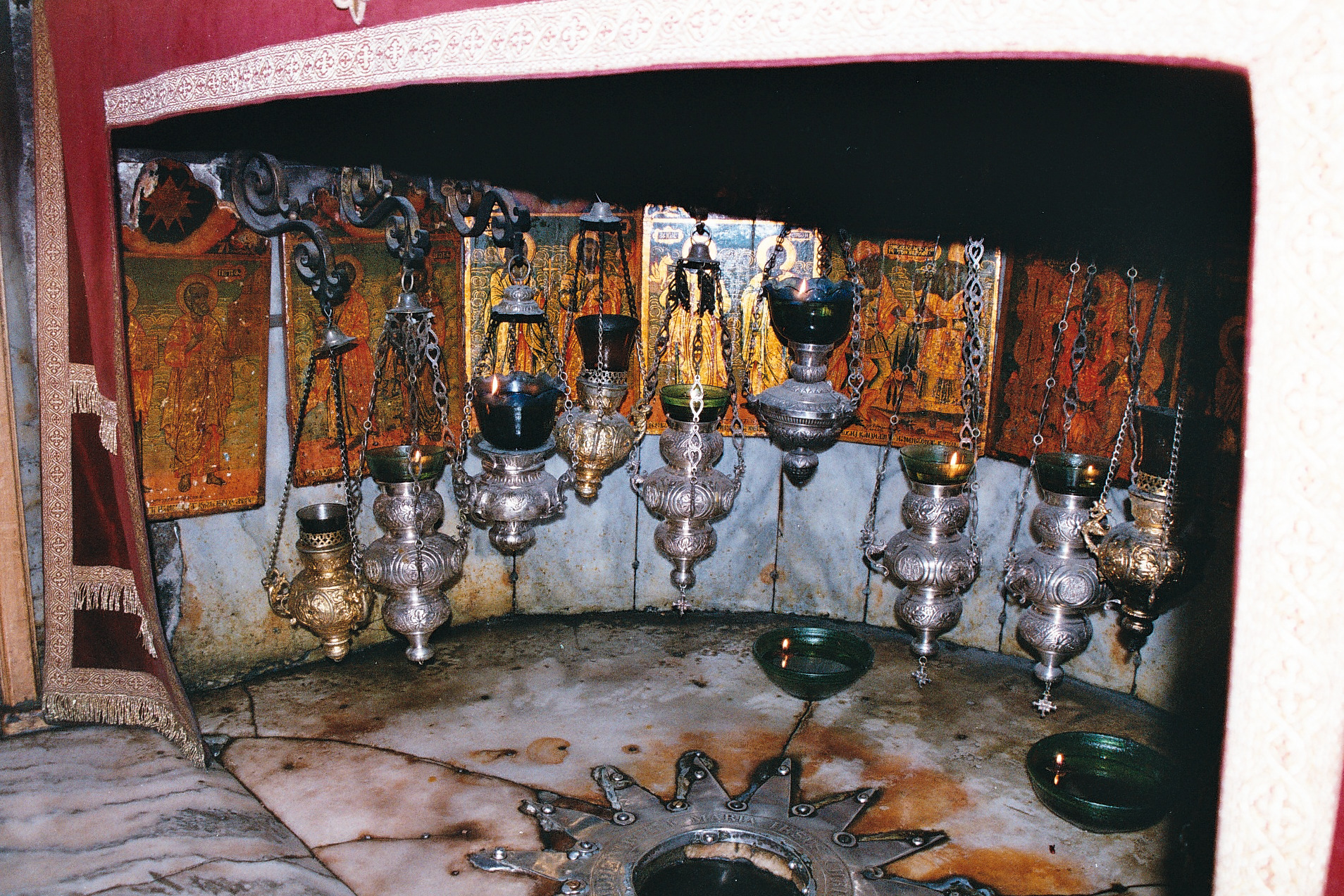
Worship is not about payback, it’s about adoring Him who knows us for eternity.

This day and age is just way too much about “what’s in it for me?” “My time is too valuable!” I love that one, I’m so important just get the heck out’va my way, because it’s all about me.

Really?

Let’s think about this for a minute, are we so tunnel-visioned, so narrow, so myopic as to think it really is all about me? Absolutely we do what we are moved to do, what the Holy Spirit is leading us to do, but in the end, it’s all about what the Father does in and through us. Much as you’d like to deny it, God could pull the plug on you at any minute, Jesus could return by midnight tonight, where does that leave you? You who was so sure that it was all about you.

I really think the following from Skye Jethani of “Leadership Journal Magazine”, hits it on the head. Worship is for eternity, there might not be any “payback” by the end of the Fiscal Year, but your FY isn’t even a blip in contrast to eternity. Worship is not about payback, it’s, well I will get out of Pastor Jethani’s way: “

Normal
0

false
false
false

EN-US
X-NONE
X-NONE

/* Style Definitions */
table.MsoNormalTable
{mso-style-name:”Table Normal”;
mso-tstyle-rowband-size:0;
mso-tstyle-colband-size:0;
mso-style-noshow:yes;
mso-style-priority:99;
mso-style-parent:””;
mso-padding-alt:0in 5.4pt 0in 5.4pt;
mso-para-margin:0in;
mso-para-margin-bottom:.0001pt;
mso-pagination:widow-orphan;
font-size:10.0pt;
font-family:”Calibri”,”sans-serif”;}

“We [Americans] interpret everything through a lens of pragmatism, through a transactional understanding of the world. Many of us come to church Sunday after Sunday with an expectation of receiving something … But God does not exist to be useful. God exists to be adored, simply because of who he is. True worship is never transactional. True worship expects nothing in return. True worship is, at its core, an act of senseless, wasteful, indulgent beauty.”

Normal
0

false
false
false

EN-US
X-NONE
X-NONE

/* Style Definitions */
table.MsoNormalTable
{mso-style-name:”Table Normal”;
mso-tstyle-rowband-size:0;
mso-tstyle-colband-size:0;
mso-style-noshow:yes;
mso-style-priority:99;
mso-style-parent:””;
mso-padding-alt:0in 5.4pt 0in 5.4pt;
mso-para-margin:0in;
mso-para-margin-bottom:.0001pt;
mso-pagination:widow-orphan;
font-size:10.0pt;
font-family:”Calibri”,”sans-serif”;}

Image

OK, if you really have to, think of worship as a down payment on eternity, but really look to what the Holy Spirit is doing in you. And really, it’s just not going to happen without worship. Worship is that time when we “come home” at least for a moment. We have that little taste of heaven, we are part of the Body of Christ, part of something much bigger then you, your job, your company, your… whatever. This is what you take back into the world on Monday.

Stop with the payback stuff, be a part of something much bigger then you can imagine, stop playing around with your life, your eternal destiny. Does going to worship make you a lock for eternity in the presence of Christ? NOOOO, but if you’re never before Him, if you truly think that it’s all about you, that it’s all about what’s in it for payback, ya well…

Are you in relationship with Jesus? He died for you, He died so that you would be in relationship with the Triune God, so that you could know what His earthly plan is for you and also His eternal plan for you. You have to live it out, if you are going to be in relationship with Him, doesn’t it stand to reason that you, at least once in awhile, pay a visit, be a part of the Body of Christ? Are you in relationship with your spouse? And what, just show up couple of times a year?

God bless, worship at First St Johns 140 W King St, York, Pa.   10:30 Sunday mornings hint, hint, hint.

Submission in the workplace

Normal
0

false
false
false

EN-US
X-NONE
X-NONE

/* Style Definitions */
table.MsoNormalTable
{mso-style-name:”Table Normal”;
mso-tstyle-rowband-size:0;
mso-tstyle-colband-size:0;
mso-style-noshow:yes;
mso-style-priority:99;
mso-style-parent:””;
mso-padding-alt:0in 5.4pt 0in 5.4pt;
mso-para-margin:0in;
mso-para-margin-bottom:.0001pt;
mso-pagination:widow-orphan;
font-size:10.0pt;
font-family:”Calibri”,”sans-serif”;}

Submission in  the workplace is submission to Christ. Worship strengthens us so that we can go out into the world with the assurance of Christ’s forgiveness and be equipped for service to our neighbors in the workplace (and else where). (Ephesians 6:5-8) “Slaves, obey your earthly masters with fear and trembling, with a sincere heart, as you would Christ,
not by the way of eye-service, as people-pleasers, but as servants of Christ, doing the will of God from the heart, rendering service with a good will as to the Lord and not to man, knowing that whatever good anyone does, this he will receive back from the Lord, whether he is a slave or free.” (ESV)
 
Lutheran Spirituality

OK, so maybe the “slaves” can be replaced with butcher, baker, candlestick maker, Indian chief, but the principle is still the same. We may not like to think of it in these terms all the time, but we honor God we when we submit to all earthly authorities He puts over us. spouses, bosses, professors, on and on. That doesn’t mean to be willfully stupid, but it does mean to support and respect them at every moment. Image

Age of Cheaters

Since I posted about this article, this issue, Lance Armstrong has made a “de facto” admission of drug use, he didn’t say it, but he stopped fighting the issue. I still think that Armstrong is a great athlete. As a man, he has overcome cancer and has made a huge impact as a great encouragement for others dealing with the same problem as well as raising a great deal of money. I still do admire Armstrong as an athlete. However it certainly does change my perception. Armstrong passed hundreds of drug tests over the last ten plus years, we can only surmise that somehow he beat the system, but the system finally caught up. By God’s grace I’ve never had cancer, never been seriously ill, never really had any significant medical issue, no question I have been blessed. Nonetheless, I saw Armstrong as an inspiration, as someone who didn’t let the circumstances get him down, which frankly is pretty much the mode today, but he rose above them, he was an inspiration. How did Armstrong really benefit others, yes he raised millions of dollars and did great work, but I can’t help think that this is just another regular mortal who put gain ahead of integrity, who did great things, but did so to what? Atone for the sins he knew he was committing? My faith has been dinged, yes I should realize that my faith should be exclusively in the Triune God, but did Armstrong contribute more as someone who rose above it all, or as someone who raised the bucks. I would argue that, he contributed more to humanity as that great example and now he has only reinforced what the cynics claim, that everyone really is out for themselves at whatever cost, even the lost faith of millions of people and even more underscores Rich Karlgaard’s opinion that this is “The Age of Cheats”. I don’t know about you, but I really don’t want to go down in posterity associated that way.  Image

Kickboxing teaches you to cope and deal with stress and pressure.

ImageInc Magazine ran an article a few months ago talking about business people taking up boxing classes.(Christine Lagoria “Inc Magazine” June 2013 pp 34 -40) I found some of the comments interesting, David Chen (co-founder of NunaHealth): ” On a typical day, Chen spends up to 14 hours writing code; he started boxing as much to turn off his brain as to work on his body. ‘You don’t think about code,’ Chen says. ‘You don’t think about work. You think abut the best way to hit a bag. It makes me less neurotic.'” Hmmm, something to think about for you who say you are “oh too busy”, to find time to workout.Mitchell Zuklie (chairman of global law firm Orric…) “Zuklie says he started boxing after noticing a couple of his clients ‘looked more fit and seemed more comfortable in meetings.’

“What could be better than being punched in the face to learn about not avoiding conflict?” says Philip Rosedale, founder of Second Life. He says that boxing helps him to “stay cool during confrontations.”

Since these are people who deal with a lot of pressure and stress and learning to box has been a great benefit to them, I’m sure you will find a benefit. Reason is this, as you can see from the picture (below) we have put together a modest little boxing gym in our building here. In addition, we have some talented people involved who can help you to learn the skills and to apply what you’ve learned to life. Jose Montalvo leads a group every weekday from 4pm to 6pm,, Jose is a 10th degree black belt in Akido. I’m certified as a kickboxing instructor and have been doing this for about the last 15 years. We have a new lady getting involved in the church (don’t tell her I told you, cuz I haven’t talked to her yet), but she is a brown belt and we have other people moving up and learning.

I do kickboxing on Thursdays between 3:30 and 5. Everyone is welcome to that, or if you have a different need, you are more than welcome to let me know (Pastor Jim Driskell) and I will do whatever I can to meet the need. This is great physical conditioning, mental conditioning and you know what even spiritual conditioning, check out the video on the church website where I talk about our classes http://www.lutheransonline.com/firststjohns  but you expect a trainer to push you (remember Burgess Meredith in Rocky) You want someone to push you, to help you to grow in body and mind. Well, how about a pastor that helps you grow in body, mind and spirit?

I’d like to talk to you more about it, we don’t charge for any of the classes/training, we have a lot of equipment here and you’re certainly welcome to bring your own. We see this as a way to meet, grow and become a group in Jesus up in the gym and down in the sanctuary. If you are interested. We are looking to start up again week of January 16, let us hear your questions, comments and requests for guidance. God bless and best wishes for a blessed New Year. Image

Liturgy, some info on what it is and why a new/old paradigm

I was very interested to see that a recent blog “Church, liturgical worship a new/old paradigm” was one of the most popular of my blogs. It seems to me that there is a feeling among believers that contemporary worship is not meeting the need for spiritual sustenance. For probably the last fifty years there has been a movement to center worship on the worshipper and not on the One to be worshiped. I had one much older lady who had been raised in a much more “charismatic” church and then in a very liberal church. (That would be enough to confuse anyone), who demanded to know why I had my back to the audience so much, her words. The answer is that as the pastor I am there to represent the congregation to God while we focus on Him, not, as I’ve said some celebrity pastor in a $600 suit or worse yet, some “regular kind of guy” in torn blue jeans and a t-shirt.
In an effort to continue to reach out and inform and lead, I will give an outline of what liturgical worship consists of. To accomplish that I shamelessly stole this out of the Lutheran Church – Missouri Synod’s web site. Call me crazy, but it seems that there is more and more interest in serious worship. I think that a lot of people are realizing that they are not getting the spiritual nourishment they need, that worship that is focused on the Lord, that is centered on the life of Jesus, what Jesus taught and what He did for us is a vital need that has been lacking in Christianity. I’ve been to Christian worship that hardly mentioned Jesus, never mentioned sin, never mentioned atonement and sacrifice because that would imply sin and since atonement implies forgiveness…  Worship that was far more focused on being happy and content in the world and never mentioned anything about the promise of eternity in the resurrection in Jesus. Liturgical worship is designed to take the faithful through all these things. The rap has always been “boring”. I can understand if you are sitting through something that you have little idea of what it’s about or what it intends to accomplish. The more familiar you are with the liturgy, the more you will see a reason to be in liturgical worship and understand what you are going back into the world with.

The church was established by Jesus. The church was given the sacraments, the keys to heaven and hell and will be lifted up to meet Christ in His return to be His bride in the resurrection. Having said all that, why would our worship be more like entertainment and trying to tell us how to live in the world? We get entertained all week long, television, computers, ipods, smart phones, movies, theatre, radio … We are the most entertained people in the history of the world. And more and more we have become the most detached, the most disillusioned, without hope and realizing there is no promise in all of our things, and our amusements. The only hope in the world is in Christ and in our heart, our soul, we know that we are starving for spiritual sustenance and are becoming more and more feeble. We know in our soul that we have lived separated from God, separated by our sin and we need to hear that we are forgiven, that we go back into the world as a redeemed, justified and sanctified in Christ. We need the time honored liturgy in order for us to come before the Lord, and receive the gifts that He gives through worship in order for us to be sustained and mature in Christ in order to go and confront a hostile and corrupt world for the next week.

The following is from the Lutheran website and gives a good overview of what the liturgy brings to us. Please feel free to send me questions, comments, problems. I would really like to discuss how this will help you to grow and become a better disciple of Christ.

Invocation


“In the name of the Father and of the Son and of the Holy Spirit.” How many times have we heard those words? And yet, they testify with renewed freshness to our identity as children of God who’ve been baptized into the death and resurrection of Jesus. Wouldn’t it be something if God’s faithful would remember that every time they heard the words of the Invocation, perhaps tracing the sign of the cross as a visible reminder?

St. Paul beautifully captures the eternal significance of our baptism into Christ when he writes to the Galatians that “as many of you as were baptized into Christ have put on Christ” (Gal. 3:27). We are clothed with his righteousness. Unlike the man in the parable of the wedding feast who had no wedding garment, when we stand before our Judge on the Last Day, we will be clothed and covered, robed in the purity of Christ.

“In the name of the Father and of the Son and of the Holy Spirit.” Already now, in this heaven on earth we call worship, we stand with boldness before the triune God who has claimed us and named us..


Confession and Absolution


We can indeed approach God with confidence. And yet, because we stand on this side of our Lord’s final return, we still have with us the devil, the world, and our sinful flesh. We have not yet faced the final judgment. And so, with sin still working in us, the condemnation of God’s Law must still confront us, lest we have any delusions that we might have something to boast of before our mighty Judge.

Above all else, Confession and Absolution keep us honest–honest with ourselves and honest before God. The act of confession is not some work that we lay before the Father’s throne; rather, it is the simple acknowledgment that God’s Word is true and right and that when we measure ourselves against its demands, we come up short. God’s Word says “you shall not give false testimony,” but in truth we have lied and gossiped and slandered.” And so, the Christian confesses: “Lord, Your Word is true; I have sinned.”

There are three basic ways to handle sin and guilt. One is to ignore or minimize them. We’ve all been tempted in that direction more than a few times. Isn’t that, after all, what our sinful human nature is all about? Another way is to institutionalize them, especially the guilt part. After all, if you can keep people feeling just guilty enough, you will keep them coming back for more.

The third way is to give sin and guilt their proper due, and then to silence them. That is the way of God’s absolution. With his forgiveness, our sin is removed from us as far as the east is from the west. Christians know that, but they also need to hear it often. We need to be reminded that those familiar words, “I forgive you all your sins,” are not just some impersonal announcement. They say what they mean and accomplish what they promise. Jesus himself said to his disciples that the sins they forgive are forgiven (John 20:23).

The last and greatest absolution that will ever be spoken to us will be at the last judgment. In the final pages of the Chronicles of Narnia, C.S. Lewis provides a marvelous description of this event. As each individual comes before Aslan–the lion who is Lewis’ figure for Christ–one of two things happens: either the person gazes directly into Aslan’s face and recognizes his forgiving countenance, or, upon seeing the lion’s stern demeanor, passes into his long shadow, forever to be separated from Christ.

In the Confession and Absolution we are being readied for our appearance before Christ on the Last Day. And hidden behind those comforting words that our sins are forgiven is the invitation, “Come, you who are blessed by my father, inherit the kingdom prepared for you from the foundation of the world” (Mt. 25:34). When our Lord speaks those words to us at the Last Day, Confession and Absolution as we know it will cease, for we will then bask in the eternal absolution of the Lamb.


Kyrie


In this world of sin and death, Christians have plenty of opportunities to join in the brief, yet all-encompassing prayer of the Kyrie: “Lord, have mercy.” All around us we see the results of hatred, envy, lust, and greed. Surely, the world is in need of God’s mercy. It’s no wonder that the church, in her worship, pleads before God on behalf of the whole world. It’s a prayer that no one else is going pray.

Yet, when we cry out, “Lord, have mercy,” there is confidence in our voices because we know that God is indeed merciful. He desires to bring relief to the suffering that is all around us. Our prayer may not always bring an immediate response–at least, not the response that we are seeking–but even then, we commend ourselves and the whole world to a merciful God.

Like the confession of sins, however, our cry for mercy will be silenced in heaven. There we will see the results of God’s mercy, as before the throne and in front of the Lamb will stand all the redeemed–not one of them worthy of the honor.


Hymn of Praise


On the night of Jesus’ birth, the angels let loose their earth-shattering song of praise: “Glory be to God on high, and on earth peace, goodwill toward men.” On that specific occasion, their praise gave utterance to the good news that the Son of God had come in the flesh. Heaven had come down to earth! And ever since, the Church has continued to rejoice in this miracle of our salvation.

The opening words of the Gloria in Excelsis are followed by a hymn of praise to the triune God. One can imagine the faithful singing these words in heaven: “We praise you, we bless you, we worship you, we glorify you, we give you thanks for your great glory.” Our focus is on the incarnate Son of God, the only-begotten Son, the Lamb of God, and only Son of the Father. And if that isn’t enough to name this One who is the object of our worship and praise, twice we sing, “you take away the sin of the world.” There it is, the heart and substance of the Christian faith. In heaven we will be gathered around the throne and the Lamb, confessing that he alone is holy, he alone is the Lord.

In more recent times, the Lutheran Church in North America has made a significant contribution to the church’s liturgy through the alternate Hymn of Praise, “This is the Feast.” Drawing directly from the description of heaven in the Revelation to St. John, our voices are joined to that heavenly throng as we sing with them, “Worthy is the Lamb who was slain, to receive power and wealth and wisdom and might and honor and glory and blessing!” (Rev. 5:12)


Word of God and Sermon


Frequently we conclude the reading of Holy Scripture with the phrase, “This is the Word of the Lord!” More than just a “word” from God, this is his revelation in which he makes known to us his will, most specifically, his merciful will that desires our salvation. Ultimately, this word points us to the Word, the incarnate Son of God. He is God’s final and full revelation to us, the mirror of the Father’s heart. That is the point that the writer to the Hebrews makes in the opening verses of his epistle: “In many and various ways God spoke to his people of old by the prophets, but now in these last days, he has spoken to us by his Son” (Heb. 1:1-2a). Only through him–God’s only Son–are we able to know the Father’s favor and grace.

In the sermon, the Word of God is brought to bear on the lives of the hearers. This is the equivalent of sitting at the feet of Jesus. But it’s more than mere instruction. Through the sermon, God speaks to us with his two-edged sword of condemnation and promise, Law and Gospel. The subject of the sermon is both God and us. Through the sermon we come to a better understanding of ourselves, especially our need for God’s forgiveness. But we also come face to face with God’s mercy and love. Week after week, God’s faithful hear the voice of their Good Shepherd, preparing them, in a sense, for that final day when Jesus calls them to their eternal reward.


Creed


In the course of his earthly ministry, Jesus put this hard question to his disciples, “Who do you say that I am?” He wasn’t asking for the opinions of the crowds. He wanted a confession of faith. In reality, this confession is no different than the confession of sins. In both, we acknowledge that what God has said is true. When we confess our sins, we acknowledge the truth that God speaks about us–that we are sinners. When we confess the faith of the church in the creed, our confession speaks about God–who he is and what he has done.

In every age, the same question is put to the church: who do you say that I am? As we open our mouths and begin, “I believe in God, the Father Almighty . . . ,” we confess a profound truth that has passed over the lips of Christians in every generation. This confession of the triune God is the property of no single individual, but of the whole church, including the whole company of heaven. There are more than a few saints and martyrs who put their lives on the line as they defended the truths that we confess in the creeds. Think of Athanasius, that faithful fourth-century pastor and confessor, who was exiled numerous times for his defense of the truth against the false teachers of his day. Or Luther, who stood firm against the combined might of the Roman Church and the Holy Roman Empire. In our own day, there are faithful Christians who risk their lives–and sometimes die–to confess these truths.

In the Revelation to St. John, we find confession going on in heaven. Just listen to the snippets of the grand confession that swirls around God’s throne:

Holy, holy, holy is the Lord God Almighty,
       who was and is and is to come! (4:8b)
Worthy are you, our Lord and God,
       to receive glory and honor and power,
for you created all things,
       and by your will they existed and were created (4:11).
Worthy are you to take the scroll
       and to open its seals,
for you were slain, and by your blood you ransomed people for God
       from every tribe and language and people and nation,
and you have made them a kingdom and priests to our God,
       and they shall reign on the earth (5:9-10).

In the same way, as we stand on holy ground where Jesus comes in his Word and Sacraments, we join that noble company of saints and martyrs, confessing these holy truths concerning the triune God.


Offertory


“What shall I render to the Lord?” Truth is, we have nothing to render him. We brought nothing into this world, and we will take nothing with us when we depart. As Jesus so poignantly tells us, our treasures are already stored up for us in heaven (Matt. 6:19-21).

There is, however, an offering that we do make, both now in our worship and one day in heaven itself. It is the sacrifice of thanksgiving as we call on the name of the Lord (Ps. 116:17). In the Apology to the Augsburg Confession (Article 24), this eucharistic sacrifice is carefully distinguished from the propitiatory sacrifice of Christ. The sacrifice for sins belongs to him alone. Every time we try to grab that honor for ourselves, we come up short–very short. But when we recognize our rightful place–that we are on the receiving end of God’s merciful goodness–then the sacrifice of thanksgiving cannot help but pour forth from our lips as we give our thanks to the One who gave everything for us.

The giving of our firstfruits, whether it is money or possessions, time or talents, is also a part of this sacrifice of thanksgiving. Our mouths cannot remain separated from the rest of our bodies. If the thanksgiving is flowing from our lips, then it will also find expression in the giving of our very selves for the sake of Christ and the neighbor.


Sanctus


 If any part of the service has been recognized as providing a glimpse of heaven, it’s the Sanctus: “Holy, holy, holy, Lord God of Sabaoth, heaven and earth are full of your glory.” This is the eternal song of the angels who hover over the throne of God in the vision of heaven that was given to Isaiah (Is. 6:1-4). Such was the splendor of their song that the very foundations of the threshold of the temple trembled at the sound.

At first glance, these words appear to be out of place at this point in the service. Nevertheless, the reality is that there is nothing in this entire world that compares with the miracle of Jesus’ bodily presence to feed his people. In this meal God is breaking into our world to give us life. No wonder our repeated cry is “Hosanna in the highest,” for what is more needed in this dying world than the Lord’s salvation?

The second half of the Sanctus contains a statement as bold as the first. Here we have our own little Palm Sunday. Just as the crowds cried out to Jesus as he entered Jerusalem, so do we declare, “Blessed is he who comes in the name of the Lord” (Mt. 21:9; Ps. 118:26). Heaven continues to break into our world as Jesus, our humble king, comes riding into our midst in the Lord’s name. This confession in the Sanctus of Jesus’ real presence is so significant that Luther proposed moving the Sanctus after the Words of Institution in order to highlight the reality of the words we sing.


 Words of Our Lord


Among many Christians, the words of Jesus that we often refer to as the Words of Institution are nothing more than an historical report: this is what Jesus did and what he said. Period. We have been blessed to know, however, that these words mean much more. They do what they say. According to the command of Christ, we celebrate the Lord’s Supper not as a mere meal of remembrance but as a Sacrament by which Jesus himself comes to us. We don’t transport ourselves back in time; rather, he comes to us and brings heaven down to earth for our benefit.

Of course, in heaven we won’t receive the Lord’s Supper. There we will have Jesus—the Bread of heaven—in all his fullness. But for now, as we wait for his return, he establishes his own beachhead in our sin-infested world, coming as our defender and deliverer, offering his own body and blood as the medicine of immortality. Here we find strength for the journey as Christ dwells in us and we in him. And the more we partake of this sacred food, the greater our desire becomes to be with Christ forever. In the words of Thomas Aquinas’ great eucharistic hymn:

O Christ, whom now beneath a veil we see:
       May what we thirst for soon our portion be:
To gaze on Thee unveiled, and see Thy face,
       The vision of Thy glory, and Thy grace. (Lutheran Service Book #640)


Agnus Dei


Turning again to the Revelation to St. John, at one point John sees a scroll in the right hand of the One who was sitting on the throne. A “strong angel” puts forth the challenge, “Who is worthy to open the scroll and break its seals?” Then, between the throne and the elders, the Lamb comes into view. Undoubtedly the most significant feature in John’s description of this Lamb is that it is a lamb who appears to have been slain.

When we sing the Agnus Dei, “Lamb of God, you take away the sin of the world, have mercy on us,” we are preaching and praying all at once. It was, after all, with these very words that John the Baptizer pointed his disciples to Jesus (John 1:29, 36). As we prepare to feast on the Lamb of our salvation, we do indeed proclaim him who gave his life for us. Here is the Lamb of God! Yet we also pray to him who is now present in his body and blood. We pray for mercy, mercy from the One who showed the true depths of mercy and compassion as he was silently led to slaughter, dying like a lamb shorn of all its honor.

Returning one more time to the apostle John’s vision of heaven, we later hear his description of the saints in white robes. “Who are they?” John is asked. The answer: “These are the ones coming out of the great tribulation. They have washed their robes and made them white in the blood of the Lamb” (Rev. 7:13-14). This is the blood of our redemption, the propitiatory sacrifice that was foreshadowed at the first Passover when the blood of the year-old lambs was sprinkled on the doorpost as a sign that blood had already been shed in that house. In his Easter hymn, Martin Luther applies that incident to us, thus revealing our standing before the Father:

See, his blood now marks our door;
    Faith points to it;
Death passes o’er,
    And Satan cannot harm us.  (Lutheran Service Book #458)

So it is at every celebration of the Lord’s Supper. The blood of the Lamb is poured out for our drinking and his flesh for our eating. Clearly, God’s mercy is shown, and his peace rests on us.


Distribution


Try for a moment to picture the heavenly throng standing before the throne of God on the Last Day. The numbers will be staggering. And yet, united as we all are to Christ, the Bridegroom, we will be one–his elect Bride. As the faithful make their way to the altar to feast on the Bread of Life in the distribution, they are given a glimpse of that holy Bride. Oh yes, we see all of her warts and blemishes: the petty bickering over trivial matters, the deep disagreements on more weighty issues, and the painful ways in which we sometimes treat one another. Yet, by our common confession of the truth, we are one in Christ. As Christ gives himself to us in this holy meal, he strengthens that unity and bids us love one another with a deep and abiding love. How can it be any other way, as we are sent from the table with the blessing to depart in peace?


Nunc Dimittis


Another Lutheran contribution to the church’s liturgy is the use of the Nunc Dimittis as the post-communion canticle: “Lord, now let Your servant depart in peace.” At first glance it appears that we’re taking the words of Simeon completely out of context. After all, what does his experience have to do with ours? How can Holy Communion ever compare to Simeon’s unique honor of holding the infant Jesus in his arms during the child’s first visit to the temple at the tender age of 40 days (Lk 2:25-38)?

Of course, we would love to have been in the temple and shared in the experience with Simeon. For that matter, we would give anything to have been the first–along with the shepherds–to see the infant Jesus, or to have been with the Magi as they offered their gifts to him. But, as Luther so insightfully taught, we don’t find Christ in those places. Through the events of his incarnation, birth, crucifixion, and resurrection our Lord has accomplished our salvation. But the benefits of his saving work–forgiveness, life, and salvation–are distributed to us through his means of grace, his Word and Sacraments. We can’t go back to stand with Simeon in the temple. The good news is that we don’t have to.

So when, following our reception of the Lord’s Supper, we sing Simeon’s ancient song of faith–“Lord, now let your servant depart in peace”–nothing could be more appropriate. Indeed, our eyes have seen his salvation. Better yet, we have tasted and seen that the Lord is good (Ps. 34:8). So, what could be better than holding the infant Jesus in our arms? How about eating and drinking his body and blood given for the forgiveness of our sins? This truly is heaven on earth, because here we have Jesus and all his benefits.


Benediction


“The Lord bless you and keep you.” Recall again the words of Jesus in the parable of the sheep and the goats: “Come, you who are blessed by my father, inherit the kingdom.” The blessing that God speaks to us in the Benediction prepares us for that final summons. Throughout the Divine Service, God is forming us in his likeness as he establishes in us a deeper and more lasting faith toward him and a persistent and steadfast love for one another.

“The Lord make his face shine on you and be gracious to you.” In their reports of Jesus’ Transfiguration, the evangelists tell us that Jesus shone more brightly than the sun, prompting Peter to say, “Lord, it is good for us to be here.” In heaven we will have the same response because it will be good–very good–to be in the presence of the Light of the world. For the moment, we see only dimly, but then we will see face to face. Still, it is good to be here even now, in this heaven on earth that we call worship, for already here God showers us with his grace.

“The Lord lift up his countenance on you and give you peace.” We Christians are truly blessed in that God does not hide his face from us. In all other religions there is ultimately doubt as to their gods’ attitudes toward them. How can it be otherwise, given that their gods are the creation of their own imaginations? But ours is the creator of heaven and earth. To be sure, he is a stern judge who holds the sinner accountable. But in the person of his only Son, we see our Father’s true nature, his fatherly heart of love. That is the countenance that he lifts up toward us in his holy Word and Sacraments as he reveals his mercy and grace.

Where the Lord blesses and makes his face shine and lifts up his gracious countenance on us, there is peace. Not the peace of this world, but peace between God and his faithful people. We know that peace because even now, in Word and Sacraments, we have Jesus and all his benefits. And in heaven we will rest in his eternal peace.

These are the parts of the liturgy that comprise Lutheran worship, these are all taken from the Bible and help us to remember the Lord, what He did and what He still does in and through us. We worship with brothers and sisters in Christ, there to encourage, serve and uplift each other in order for us to grow and help others grow. It is not entertainment, it is a time of profound love, grace and receiving, from God who loves us and wants to be a constant presence in our lives, to guide us and guard us to eternal life in the resurrection.
  Image

Relationships and having someone to talk to

One of the things, among a lot of things, that is unique to the church is that you have someone that you can go to, sometimes, if necessary, at odd hours, who will pay attention to you and do what he can to support you. That of course being your pastor. Oh sure, you could call the police, the York Police are a great group of officers for whom I am privileged to serve as a chaplain. But, they have other more pressing concerns, they can’t take much time with you. As hard as you can imagine, there is no other professional who will talk to you, even go to see you, if necessary, then your clergyman, pastor.

There’s an added bonus, for most clergy, certainly for Lutheran clergy, you are covered under what is called “The Seal of the Confessional”. I cannot tell anyone what you said to me, I really can’t even tell them that I spoke to you. Now according to Christian Counseling Today, science has shown the profound benefit of what clergy can do to serve. “…relationships have profound neurobiological properties. For example, the telling of one’s life story and experience of being empathically understood produces a calming effect in the limbic system – the brains locus of emotion – similar to the effects of anti-anxiety drugs like Ativan or Xanax.” (Gary Sibcy, Tim Clinton and Ron Hawkins Christian Counseling Today p 16 vol 20 No 3)

Relationship is a huge element of what being part of a church community is about, by being there for someone else and serving them, you really are helping yourself as well. I think we all know intuitively that relationships are very important and often neglected. I have a few friends, from school, Coast Guard, seminary, business, not a lot, but these are guys that I can talk to, who like talking to me and I like talking to them. I don’t talk to them often, which I probably should do more, and there is no doubt in my mind, that after I get off the phone with them to just talk, my perspective is vastly different. But there are things that I wouldn’t even discuss with these guys, some I’ve known since my teens and who probably know more than I imagine they do.

Most people have this idea that talking to a clergyman is sort of like being grilled. I don’t know exactly, other then of course the much condemned, condemnation. I’m sure people are thinking that I would be sitting in judgment over them. I really feel that is selling clergy short, at least for me. I’ve made this comment to people many times in the vast span of my whole three years as an ordained pastor; “I spent 20 years working in corporations, 29 years in the Coast Guard which is military and also a Law Enforcement organization, many years in local politics, my wife and I lived in the same large city most of our lives, raised our children there, I seriously doubt that anything someone is going to tell me is going to make me recoil in horror. I have been known to flinch a time or two, but even that is hardly noticeable to the untrained eye. I’m not trying to be glib or minimize your concerns, what I am saying is that in talking to a pastor you’re talking to someone who has lived a life, seen a lot, heard a lot, knows the human condition. Isn’t interested in jumping on you, but in joining you as a fellow sinner, as Dr Luther said as one beggar showing another beggar where to find bread.

I think we know that when we open up it is helpful and when you have someone whose mission is dedicated to your welfare, not just in the here and now but for eternity and does so under a seal that is inviolable, the benefit reaches down to your soul. Dr Luther refers to pastors as seelsorge a soul doctor/healer. Your pastor’s responsibility is to help you through the issues of life in order to not just help you cope in this world, but to give healing and relief to your soul.

Frankly, as your pastor, I would very much like to hear your life story and according to the scientific research, this has a significant positive effect on your emotional state, as good as some powerful drugs and it helps me to better understand how to serve you as your pastor.

Just for the record, this is not some weirdo way for me to get some thrill hearing about your issues. If anything I would caution someone to judge how deep they want to go. The relationship between pastor and parishioner should be allowed to grow and develop. There has to be a level of comfort, so no, I’m not encouraging anyone to begin by divulge their deepest darkest fears, secrets, desires, unless of course you have to. But start with the joys, the disappointments, dreams and yea fears, how you see God and how He is moving your life. But build a level of comfort, just like any relationship give it time and let it grow. But puhlease believe me when I tell you, I am not looking for you to be uncomfortable and feel that this is some kind of inquisition. As the research indicates there is a positive and powerful effect of just sharing your life history, to the level you are comfortable. You help your pastor get to know you better and help him to get an idea of what kind of discipling would benefit you.

The church is unique, obviously being the Body of Christ, being the Body that gives you the sacraments, the preached/taught Word, the Keys to heaven and hell, but it’s where you will find someone who is well trained and experienced, interested in your spiritual well-being and a confidant, someone who will keep your trust and wants to grow with you as a brother in Christ. I’m not interested in criticizing and condemning, but in overcoming the trials in life, learning what God is leading you to learn in those trials and for all of us to be better husbands, wives, fathers, mothers, better in our vocation and growing as a child of God and as a part of the New Jerusalem in the resurrection.

There is much darkness, how do we bring light?

Normal
0

false
false
false

EN-US
X-NONE
X-NONE


There is much darkness, how do we bring light?

First St Johns, Dec 24, 2013

We make our beginning in the Name of God the Father, God the Son and God the Holy Spirit and all those who look to the Holy Spirit to live the life in Jesus Christ said AMEN…and Merry Christmas, Christ is born

We sort of treat Christmas and Easter as the two musts for church, as if the Bible is entirely about the perceived, beginning and end of Jesus. That  is certainly a misconception, Jesus is God the Son, eternal and as all much God as the Father, He has no beginning and end, the incarnation is only one part of the story, “In the beginning was the Word and the Word was with God and the Word was God”, John’s Gospel takes a very eternal view of Jesus in contrast to the other Gospels. Isaiah, the so-called Fifth Gospel,  takes a very eternal view of Jesus, in today’s reading  Isaiah takes us from the point of our being in darkness, and then seeing the great light and seeing the incarnation of the “Mighty God”, “Everlasting Father”, there will be no end of His increase, of course that increase being the Resurrection where He will be a continual physical presence with us. The incarnation is only about 33 years, Jesus is year round, eternity, the great “I AM”, 24/7 – 365, for those of you who don’t know the phrase, ”I AM” well that is something that we talk about during the course of the year.

We are talking about God, He who created you, He who sustains you, He who has saved you. He has even gone to the extent of becoming a man, of actually reaching down. We are talking about a world that is so lost, yea, some of us kind of have the world on a string, most of us, yea, not so much. We’ve gone through the trials, we’ve seen others live difficult lives. We sometimes wonder “Why does God allow (fill in the blank). It can’t be about us, we don’t cause any trouble, we love our children/our spouse, part of the issue comes due to a lack of Christian maturity. The world is sorely lacking in Christian maturity. We like to think that our sophistication will save us, separate us, we are somehow special and therefore not really affected by what goes on, and then we’re back again, we know how we are affected, how everything around us is affecting us. We are back to the original issue, we know something is wrong, without Christ we are in the dark. He was that radiance that night in Bethlehem and continues to be for those who know Jesus as Lord. Not just Savior, let’s deal with that tonight. Jesus did not come into the world as a baby, to live the life and then just go to the Cross. He came to live the perfect life, to live as we do, to endure what we endure, probably much more than any of us here will ever have to endure and then by living that perfect life, and then dying as the sacrifice for all the sin that all of mankind has committed, but through no guilt of His own. He showed us how to live that perfect life, and then how to sacrifice that life for all to live. He came to be God’s revelation to us, so we could better understand our relationship with the Father. Because of these things, sacrificing for us, teaching us, living the life for us, being in relationship with us in order to guide us to a life that we know is better, He has earned the right to become Lord of your life, you can resist Him, you can reject Him, keep Him away in the times that you think are good and you don’t want to ruin those “good” times, with that religion stuff. But don’t stand there shaking your fist at God when tragedy strikes, as someone observed “Don’t ask where God is when bad things happen, if you don’t keep Him in your life during the good times.”

Those who are mature in Christ know that it is about sacrifice, it is about growing in Christ, it is more than just what I like, what I’m comfortable with. We work day in and day out and have some idea that there’s more than just this. If you’re paying any kind of attention, you realize more and more that the answer is not in the world, we rely on ourselves, we rely on our job or our company, we rely on the government, oh yeah, we always make our best effort or we should be, but we know that there are plenty of times when God takes things into His own hands. He often moves us to do the things we wouldn’t have thought of, then we balk, we don’t know that it’s God trying to move us, why? Because we’ve spent so much time focused on ourselves, our comfort zone, our preferences, that doesn’t leave room for God to push us and anytime we feel that moving of the Holy Spirit well we find some worldly way to push it down, to deny it.

Many who are here were brought up as Christians, mom and dad got you to church on Sunday, to confirmation, you became a member of that church through confirmation and then ironically feel no sense of being a real part of that church. That church took you into your teens, fed you spiritually, gave you a great family of spiritual moms, dads, grandparents, brothers and sisters and well ho-hum, wasn’t so important any more. Spiritual maturity, like physical maturity gives you a sense of knowing it’s not really about you. It’s about those spiritual relationships you’ve built, it’s about not only feeling the Holy Spirit move you, but responding to that movement. Isaiah tells us: “The people who walked in darkness have seen a great light; those who dwelt in a land of deep darkness, on them has light shined. You have multiplied the nation; you have increased its joy; they rejoice before you” You dwelt in that darkness when you were born. Your parents brought you to church had you baptized, exposed you to the light. Parents physical and spiritual spent time in worship, classes to guide you closer to the light. It wasn’t just for you, it was with the expectation that as you grew in Christian maturity, you help others to know the guiding of the Holy Spirit, who weren’t as lucky as you, who didn’t have anyone to show them Jesus. That you would be a man or woman in Christ who would live a life of excellence not just in your vocation, or in your family, but in your life in Christ. Your vocation is for a season, your life in Christ is eternal and the Holy Spirit led you to be raised in Christ in order to guide others. If you really consider this, I look back at my life and see how the Holy Spirit moved me where he wanted me and empowered me to reach people that I came into contact with. In the corporate world for twenty years, in the military for twenty nine years and other areas of my life and then moved me on.

Whether you are comfortable with it or not, God has put you where you are for a reason. He certainly put Jesus in that manger for a reason. Our God knows all of His creation, His will is for all to be saved. Sinful man chooses to separate himself from God and then feels that void, that separation. He has been raised to rely on God, but decides that’s not enough, or it’s too uncomfortable and the poor, phoney, pleasures of the world are easier, less challenging. We can all relate to a baby, we were all a baby at one time, but our God is much more, so much more than a baby. He is the all-powerful Creator and sustainer of all. That is what all that other stuff in the Bible is about, between and surrounding Jesus’ birth and death, how God has revealed Himself to us. We chose to ignore His revelation at our risk. We chose to ignore His moving in our life at our loss, we can still be saved.

God has reached down to us in baptism, He has chosen you to be baptized, then to be included in His church in order to give you, not just spiritual life, in some hazy sort of intangible life to come, but to give you life and life more abundant. In the process of that spiritual maturity, you are given so much more. Scientific research has shown the spiritual benefits of faith and church community. Dr Harold Koenig, director of Duke University’s Center for Spirituality, Theology and Health at Duke University’s Medical Center writes: “So what does the research say about Jesus’ statement that His coming would give us a fuller, more abundant life? …the research says YES! Indeed, those who are more actively involved in a Christian life experience greater life satisfaction, more happiness and greater well-being than those who are less actively involved.”[1] This is very genuine scientific research in very different areas, different populations, by researchers who really aren’t looking to grind any particular theological ax. Koenig goes on to write: “Research has repeatedly found that committed religious belief and devout practice are related to higher levels of emotional well-being, happiness and life satisfaction …more support from friends and better marriages … greater social support … research also shows better physical and emotional health.”[2]

Based on this, you not only owe it to yourself to pick up where you left off in your Christian maturity, but also to your spouse, your children, physical and spiritual parents, brothers and sisters, those who devoted time, talent and energy to teach you your Christian faith. So you can, in turn, serve them to the best of your ability in terms of your physical strength, your emotional and spiritual strength in Christ and also for them to grow and be guided so they have the benefits that research and faith has shown we receive in our faithfulness in Christ.

The research won’t be and shouldn’t be the final word, you received your baptism in the Father, Son and Holy Spirit, you were confirmed in the church and through these acts were brought into a relationship with a God who was born as a baby, lived the perfect, difficult life and died to pay for your sin so that your relationship with the Father would be restored. All this for you, don’t you want that benefit to continue and grow for you, your spouse and your children in Christ? There are so many ways to show people the light of Christ in their life, that Baby who was born in such humble beginnings and yet lived the life that was perfect and to sacrifice it for us to be saved from our sins. There were many people who showed you the light of Christ, the Holy Spirit is leading you to reach those around you in Christ’s light, all those around you in the Name and all in the powerful salvation of the Lord.

And the peace of God, which surpasses all understanding, will guard your hearts and your minds in Christ Jesus. Amin and shalom Christ is born


[1] Dr Harold Koenig  “The Influence of Faith on Mental Health and Well-being” Christian counseling Today Vol 20 No 3 p 48

[2] Ibid, pp 48, 50, 52                                                                                           

Image

Communion are we “equal” at the Lord’s Supper?

I’m going to wade into an area that is not going to be about being popular or liked, but is about the integrity of the Lord’s Table, the Lord’s Supper and really the integrity of the church.

We love to talk about everyone being God’s children, sorry, but that’s just not true. We are all God’s creation to be sure, but only those who have been baptized into Christ are God’s children. If I create something yes it’s mine, but it’s not my child, it’s not of my essence, it hasn’t been brought into my family, it is only something I created. The church is not a popularity contest, it’s not a democratic institution. We live under a set of guidelines, what tells us what is and what isn’t in the church, those guidelines are established by God’s Word, the Bible. Paul talks about being adopted into the family: “For you did not receive the spirit of slavery to fall back into fear, but you have received the Spirit of adoption as sons, by whom we cry, “Abba! Father!” The Spirit himself bears witness with our spirit that we are children of God, and if children, then heirs- heirs of God and fellow heirs with Christ, provided we suffer with him in order that we may also be glorified with him.” (Romans 8: 15-17 ESV)

When we are baptized in the Name of the Father, Son and Holy Spirit, we become that new person in Christ, we are a new creation adopted as a child of God. Remember we are adopted, we are entitled to all the rights and privileges of being a child of the Father. Jesus is still the only sole, unique Son of God. Think of it in terms of DNA, we can be adopted into a family, our parents are our parents as much as their biological children. But we do not share the biological essence of our parents, our DNA is still different. We are treated as any of the other children, but we are not the same. Only Jesus is of the same essence as the Father, He is the sole Son of the Father, but we who are adopted into Christ are adopted as children. I don’t like to say that makes us Christ’s brother, He is still our Lord, He still came and redeemed us through His sacrifice on the cross, He will be our Lord in eternity in the resurrection. To say we are His “brother” really presumes to say that we are the same status before the Father that Jesus is and we just aren’t. Jesus is God the Son, we will never be “god” the anything, but through the grace, love and redemption of Jesus and the Father, we are “sons and daughters” of the Father and are saved by virtue of that.

Having said that we get to the discussion of the Lord’s Supper. We can be adopted, but any adopted child can still repudiate his or her adoption and can detach themselves from the Father. In order for us to stay in communion with the Trinity and to be forgiven of our sin and to receive spiritual strengthening we need to receive the true Body and Blood of the Lord Jesus Christ. In order for us to properly receive the Lord’s Supper we are obligated to understand what we are doing in the Lord’s Supper. We’re Americans and we love to live under this delusion that entitles us to whatever we chose, we love to think that we are all equally entitled, heck “entitlement” is the mantra of the last two/three generations of Americans. We feel we’re “entitled” to education (yea, see how far that gets you on your application to Harvard), thorough medical care (yea, all the current discussion aside, the amount you can afford to pay personal wealth/insurance determines and always will, what the health care provider is going to provide you with), the list goes on, and yet, the church is supposed to be an open door with and simply permit anything to anyone. This debate is extending into things like performing marriages, let’s face it, the day is not to far off when clergy who refuse to perform so-called homosexual weddings are going to be sanctioned by law (fines, jail, some kind of ostracism). I’ve written on this before, but the church is the church, the state is the state. You may be protected under different governmental laws, those laws don’t necessarily extend to the church.

I entered into an extended discussion with a woman on FB who chose to debate me on my, what I considered to be benign comment about offering communion at our 11pm Christmas Eve worship, by qualifying my comment to say that communion would be available to those who are in fellowship with the Lutheran Church. I’m not going to name the person or get into any personal antagonism because frankly this person’s comments are very much representative of most people.

Person: Can’t any baptized member of the Christian faith partake of communion?

My response: No, there are different understandings of communion, for example you would not receive communion in a Roman Catholic Church, again, different understanding. In 1 Cor 11: 27-32 talks about taking the Body and Blood of Jesus in an unworthy manner. We understand that to mean that if you do not understand what the Body and Blood are about, or you are taking the Body and Blood but ignoring that it is what it is. Paul talks about people bringing judgment on themselves by their behavior and he says some have become ill and others have died. I’d love to talk to anyone about the Lord’s Supper, if folks would like to be part of a group let me know.”

Person: Just wondered, since I’m Lutheran, and we allow all to partake.

I’m going to interject here by saying that there are different Lutheran Churches. We established that this person is a member of the Evangelical Lutheran Church of America. This is a very liberal “Lutheran” church, politically and religiously. I know this is going to sound antagonistic, but frankly the liberal Christian churches have very much bought into an egalitarian view of theology. Frankly, this is an easy and popular way to attract and retain people to church. They’ve tossed out the Bible and pretty much told people what they want to hear. Frankly again, I’m much more interested in faithfulness to God and His Word, then to being popular. What God says works for eternity, what is “popular” really only works in the short term and even then will change in pretty much a whim, and no one even seems to know whose whim.

(Hey I didn’t say I wouldn’t be catty or snipey, and let’s face it, leaving a lot of room for comments to this blog)

I made a further response: “And frankly I would like to think that people would respect that and not feel entitled to abuse something that they obviously don’t understand. I stand ready to instruct anyone and accept anyone into membership, I’m not trying to set up barriers, as I said before I would very much like to do a group study on this, but please just because other pastors don’t treat this sacrament with due reverence, that’s not a reason for me to be told to lack respect.”

The response was: “That needs to be between the person and God. Doing this makes us like the Catholics. God accepts, and loves everyone. We cannot know what is on another man’s heart.”

[The whole sentence is just theologically inaccurate and shows a lack of knowledge. This is certainly not limited to this person, I’ve seen it over and over with people in all areas of “Christianity”.]

Me: No that doesn’t [make us Roman Catholic], and that’s not what a pastor’s job is, I’m not here to just allow someone to abuse something they don’t understand. That’s not taking my responsibility seriously. Again, if you read the Bible, it tells us that teachers will be held to a higher standard, (Hebrews 13:17), I will be held responsible for a person abusing the Body and Blood, maybe even more then the person who takes it without understanding. I know that the ELCA takes this very lightly, and it should be obvious that this should be treated seriously, you really want to study the subject instead of just kind of reacting to my comments.

Person: “We do not take it lightly. The Bible says that all are welcome to the Table.”

Me: I’m going by the Bible, the Bible is my authority, not what people think is right or wrong. If you don’t have a correct understanding of what the whole purpose is, what good can it do you? The Body and Blood is for the strengthening of the soul and the forgiveness of sins. Most people today reject that they even sin, therefore they contradict the whole purpose and reject what the Bible teaches. If I don’t do it according to God’s will and Word, then it doesn’t do anyone any good and I am not serving my purpose. I’m not telling you something that I haven’t given a lot of thought and study to. This is what the Bible guides us to do, not what other people’s opinions are.” [I’ve invited the person to refer to the Bible twice, the person simply has not made any move to do so, only glibly referring to the Bible as if I was somehow  in ignorance (I have a Masters of Divinity Degree from a highly regarded Lutheran Seminary). This person doesn’t see the Bible as authoritative, although they make passing references to it, the person’s references are not biblical and is further evidence of the fact that too many people have their own Bible, often taught to them by liberal theologians who often frankly don’t have a real knowledge of the Bible. For example, the Bible no where says that “all are invited to the table”, have no idea where she got that. Too many “seminaries” are far too concerned about teaching political correctness and not concerned at all with a real understanding of the Bible.]

Hey look I”m not trying to be pompous about this, but do you go in and correct the oncologist, the lawyer defending you in a murder case? Hey I have no problem with people questioning me, I love it. But when they just sit there with the attitude of “don’t try to confuse me with the facts”, well frankly it’s on them and one more reason why we expect people to have a correct understanding of the Lord’s Supper.

Person: “You have to do what you think is right. One person’s interpretation of the Bible is not necessarily the interpretation of another.”

Me: [Ah yes the typical liberal copout. “I really don’t know what I’m talking about, so I’m going to twist it into a matter of interpretation, even though nothing I’ve said has nothing to do with interpreting the Bible, but only uninformed personal opinion.] “… it’s not a matter of interpretation, in terms of the Lord’s Supper and how it’s handled, the Bible is very straight forward. The issue comes down to what people have twisted it into. People who are Reformed Christians, that is pretty much everybody other then Roman Catholics and Lutherans, try to make communion out to be symbolic. If it is a symbolic act to you, then OK, you really don’t believe it’s the Body and Blood, kind of go through the motions, it’s a “remembrance”/memorial, then you’re not going to take the Lord’s Supper seriously. Luther took it very seriously and believed in the very real presence of the Lord’s Body and Blood and His position is completely Scriptural, not opinion/ interpretation, but straight forward understanding of Scripture. If you chose to believe that it’s symbol and not substance then your call. Lutherans believe that it is very much substance, and to be treated with great reverence and Paul describes it as such in the 1 Corinthians pericope.”

So there we are, and of course the discussion goes much further but it’s late and I certainly hope that we can discuss this further. As I wrote in my responses, I am very willing to host a group to discuss. But please let’s do this on an informed basis. I have no problem with opinions assuming they are substantiated. I would hope that a lot would like to be part of the group in order to get a better understanding of the Lord’s Supper. Now hey, I’m not expecting everyone to walk away with the correct understanding (although that would be great), but I’d certainly respect the fact that you gave it a fair hearing instead of living under the illusion that the whole discussion is a matter of personal opinion and no further inquiry is necessary. Folks, this is all a matter of your relationship in Jesus.

Communion is another concept of the Lord’s Supper and of course when we are in a “close relationship with another” (Merriam-Webster, on-line) and that is certainly what we understand by taking the actual Body and Blood of Jesus we are certainly in as close a relationship we can be. If we do it with a wrong understanding, that “close relationship” could be compromised. It’s certainly not the “Unforgivable Sin”, on the other hand if you want to grow in your relationship with Jesus a true understanding of the Lord’s Supper will certainly help to augment that.Image

Mary, O Favored One

First St Johns, December 11, 2013

“Greetings O favored one, the Lord is with you!” Mary has always been a little problematic for most Protestant churches, especially when contrasted against the Roman Catholic church. The Roman church calls Mary the Mother of God. This denotes that she would have to be above human, not as high as God, but at somewhere nearer than the rest of us. Roman Catholics try to account for this in the doctrine of the “Immaculate Conception”, this was not even part of Roman dogma until the mid 1800’s. This is not about Jesus, we confess weekly that Jesus was “conceived” of the Holy Spirit, the “Immaculate Conception” was between Mary’s parents. That her conception was somehow without sin. Interestingly Dr Luther also, at times, seems to have bought into the “Immaculate Conception”. But did, ultimately, reject it because there is no reference to it in Scripture.

St Augustine raises an interesting possibility and I think this is in keeping with the idea that indeed Mary is very much human, but for “such a time as this”, quoting Queen Esther, that God would place a particular person at a time and place that would be there for His particular will.

Now that still does not separate us from Mary. If we are truly in Christ, if we know salvation in Him, that we have been adopted by God the Father to be His child through Jesus, then we should all understand that we have been placed in the world for a particular time and purpose. In Mary’s case, God might have somehow stacked the deck a little.

Gabriel comes to Mary, as I’ve said before we know Gabriel as God’s herald. A herald, in that time, was a very important man, we think of him as sort of the Western Union messenger, but that’s not true. God’s herald, Gabriel, came to people in God’s authority. This was what God had decided, and Gabriel was there to impress upon people that it would not be a good idea, especially in the particular instance to refuse to carry out God’s plan. Could Mary have told Gabriel; “Yeah, I don’t think so. You’re asking me to take a big risk, here I am mid-teens somewhere, I’m risking my relationship with Joseph, I’m risking being ostracized by my family and mocked by my community. Yeah, I think I will take a pass on that.”

On only rare occasions does God really impose His will on us. It would be in our best interests to follow God’s will, but we know quite obviously that people refuse to follow God’s lead a lot of times. Fortunately we have grace, we are still forgiven, so long as we don’t make a habit of refusing God. Interesting that while as a human, Mary might have been able to refuse, but I would like to make a case from a quote from St Augustine that Mary was singled out from creation to be the mother of Jesus. Augustine writes: “And so he created his virgin mother; she did not conceive by the law of sinful flesh, that is, not by the stirring of carnal concupiscence; rather, by her pious faith she merited that the holy child come to be in her. He created her in order to choose her, from whom he chose to be created…” When we talk about this time we see many people who seem to have been given a particular role in this momentous occasion. This was not a time to let human will mess around with God’s will. John the Baptizer seems to be placed in this time to do God’s will, he is certainly faithful to his role, as we heard on Sunday, “Repent, make straight the way of the Lord, the Kingdom of heaven is at hand…” John recognized Jesus when He came to be baptized. He asked Jesus to baptize him. We usually have no problem with that, the problem comes in terms of how we think of Mary. Mary is referred to as Theotokos, the problem arises from different understandings of that word. Even Dr Luther at some point called Mary the Mother of God, we don’t hear that in the Lutheran Church now though, but we do in the Roman Catholic church. Dr Luther was very devoted to Mary and had to unwrap his understanding of her from his experience in the Roman church. To the end, his devotion to her was still much more than other Protestant churches, but he came to understand that Mary was not the mother of God, but the God bearer and that is how we understand her today. That through her was born Jesus, God the Son, the Father intended that His Son would be human, in order to do that He created Mary from the beginning of time to be a virgin to the point where He would put the Baby Jesus inside of her to be born as a human being and as far as we know, being born in the normal way.

Luther to the end still encouraged people to honor Mary in 1531 he preached: “[She is the] highest woman and the noblest gem in Christianity after Christ. ..She is nobility, wisdom, and holiness personified. We can never honor her enough. Still honor and praise must be given to her in such a way as to injure neither Christ nor the Scriptures. (Sermon, Christmas,1531) Dr Luther encouraged people to remember the first part of the rosary: “Hail Mary, full of grace, the Lord is with thee. Blessed art thou among women and blessed is the fruit of thy womb, Jesus.” From what Augustine and Luther say, this was someone who was created by God, as He has placed other people throughout Scripture in other times for a particular purpose, that she was filled with grace that He gives us only after He guides us to know Jesus as our Savior. For that purpose she was called “favored” by Gabriel, she says that she is blessed, the Greek makarious is defined as: “usually in the sense of privileged recipient of divine favor”. As Augustine writes “He  [God] created her in order to choose her.” Those of us who are in Christ, we are saved because we were chosen by the Godhead from the beginning to be chosen to be saved. Mary was particularly blessed, particularly favored in order to endure what an average person might not have been able to. This was a teenager, a maiden, a virgin, who would give birth to the Son, the Savior of us all. She would endure rejection, being mocked and taunted, having to pick up and run away to Egypt to save her child, and ultimately go through what was a terrible act, to witness the torture and crucifixion of her Son. Mary’s life was difficult, more so then most people, isn’t it logical that from the beginning God created such a woman, very human, the same as us, but with a special purpose and specially blessed to be an integral part of the mission to be part of the incarnation of the Son of God, the Savior of all mankind?

And the peace of God, which surpasses all understanding, will guard your hearts and your minds in Christ Jesus. Amin and shalom


Image